Low Fade Haircut Complete Guide 2026: Expert Techniques from Queens NYC Master Barbers
Everything you need to know about low fade haircuts: cutting techniques, styling methods, maintenance schedules, and expert tips from our master barbers with over 20 years of experience serving Queens communities.
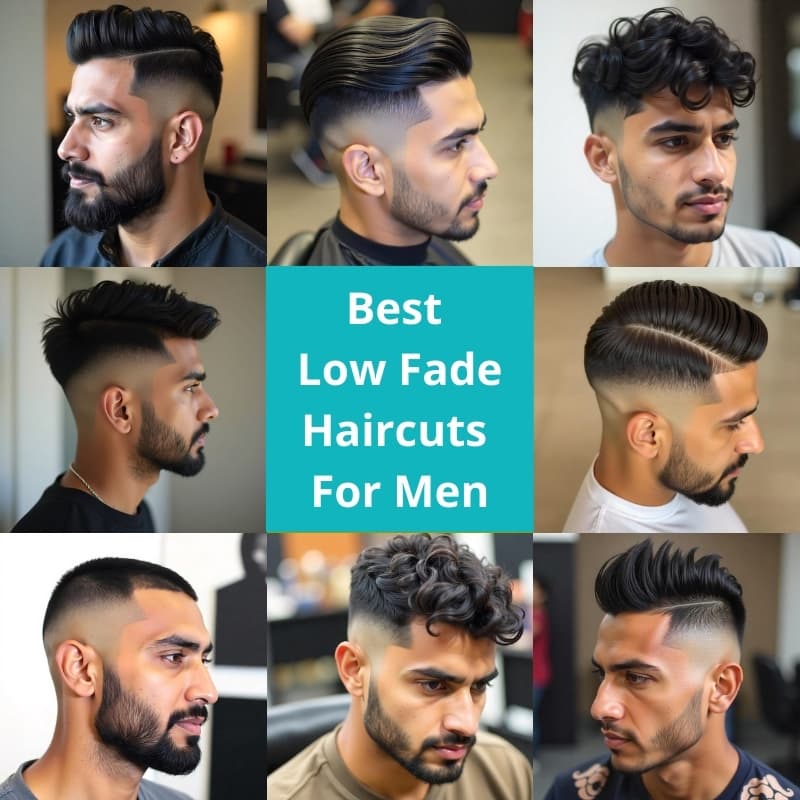
Quick guide
Quick guide: low fade haircuts
A low fade is the safest fade when you want a clean look that still works in conservative settings.
- Best fit: work, school, weddings, first fades, and clients who want easier grow-out.
- Ask for: how low the fade should start and how the neckline should grow in after two weeks.
- Watch out for: going too high if you really wanted a subtle taper.
What Is a Low Fade Haircut?
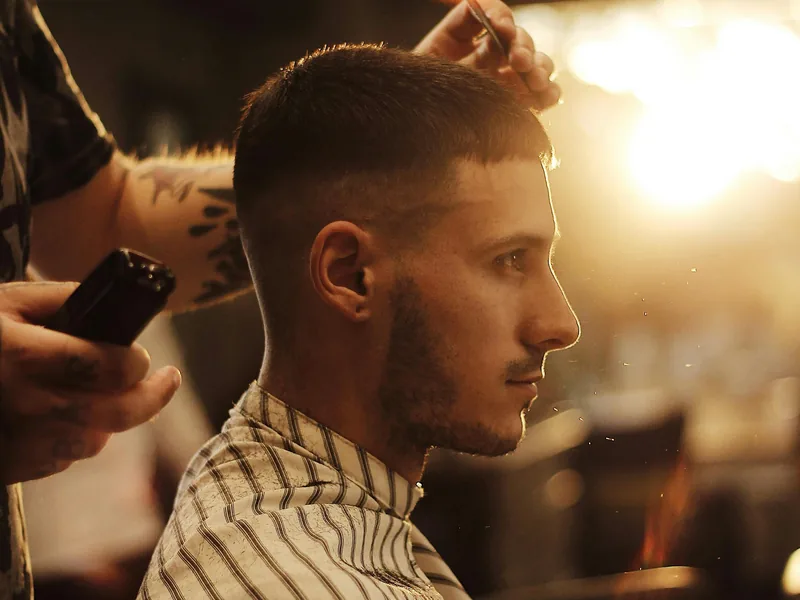
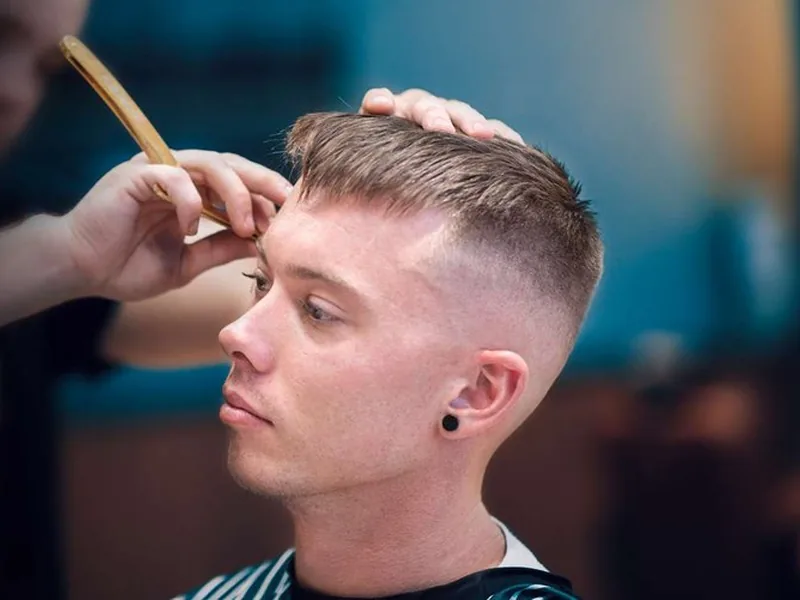
A low fade haircut is one of the most versatile and professional men's hairstyles available in 2026. Unlike a standard taper that gradually shortens hair length, a low fade creates a smooth gradient that transitions from longer hair on top to skin-short (or completely bald) at the bottom, starting just above the ears and around the neckline.
Key Characteristics of a Low Fade:
- Fade Starting Point: Begins approximately 0.5-1 inch above the ear
- Gradient Style: Smooth transition from longer to shorter, typically over 1-2 inches of vertical space
- Professional Appeal: Subtle enough for corporate environments while maintaining modern edge
- Versatility: Works with virtually any top hairstyle (pompadour, quiff, textured crop, slick back)
The low fade has been a barbershop staple since the 1980s, evolving from military high-and-tight cuts to become one of the most requested styles in modern barbershops. At Therapeutic Cuts in Rego Park Queens, we've perfected this technique over 20+ years, serving clients from Forest Hills to Long Island City who want that sharp, clean look that works in boardrooms and beyond.
Why Choose a Low Fade?
Professional Advantages
- ✓ Workplace-appropriate while maintaining style
- ✓ Looks polished and well-groomed
- ✓ Conveys attention to detail
- ✓ Versatile for formal and casual settings
Practical Benefits
- ✓ Low maintenance compared to longer styles
- ✓ Keeps you cool in warm weather
- ✓ Easy to style with minimal products
- ✓ Grows out gracefully over 2-3 weeks
Low Fade vs Mid Fade vs High Fade: Which Is Right for You?
Understanding the differences between fade types is crucial for getting the haircut you actually want. The main distinction lies in where the fade begins on your head, which dramatically affects the overall look and vibe of your haircut.
| Fade Type | Starting Point | Best For | Style Vibe |
|---|---|---|---|
| Low Fade | 0.5-1" above ears | Professional settings, conservative looks, first-time fade clients | Subtle, sophisticated, mature |
| Mid Fade | Around temple level | Versatile everyday style, casual to business-casual | Balanced, modern, adaptable |
| High Fade | 2-3" above ears, near parietal ridge | Bold statements, creative industries, athletic looks | Dramatic, edgy, attention-grabbing |
Expert Recommendation from Therapeutic Cuts:
"If you're new to fades or work in a corporate environment, start with a low fade. It provides all the benefits of a modern fade—clean lines, easy maintenance, professional appearance—without the commitment of more dramatic styles. You can always go higher on your next visit, but you can't add length back once it's cut."
— Mike Rodriguez, Master Barber, Therapeutic Cuts (20+ years experience)
Professional Low Fade Cutting Techniques
Creating a perfect low fade requires precision, the right tools, and years of experience. At Therapeutic Cuts, our master barbers use a combination of clipper work, scissor-over-comb techniques, and detail refinement to achieve seamless fades. Here's what goes into creating a professional-grade low fade:
The Low Fade Process: Step-by-Step
Consultation & Assessment
Our barbers assess your hair type, growth patterns, head shape, and desired style. We discuss fade height, blend preferences, and top styling to ensure we're on the same page before making the first cut.
Guidelines Establishment
Using clippers with appropriate guard sizes (typically starting with #2 or #3), we create the initial guideline just above the ears where the fade will begin. This defines the "low" placement of your fade.
Bottom Section Creation
The area below the guideline (around ears and neckline) is cut to the shortest length—typically a #1, #0.5, or skin bald depending on your preference. This creates the foundation of the fade contrast.
Gradual Blending
This is where expertise matters. Using progressively smaller guards and various clipper techniques (lever adjustments, flicking motions), we blend the transition zone to create a smooth gradient with no visible lines.
Detail Work & Refinement
We use trimmers and detail clippers to perfect the hairline around ears, clean up the neckline, and ensure all edges are crisp and defined. This final step separates good fades from great ones.
Top Styling
Finally, we cut and style the top section to complement your fade—whether that's a textured crop, pompadour, quiff, or any other style you prefer.
Tools of the Trade
Professional low fades require professional tools. At Therapeutic Cuts, we invest in premium equipment to ensure every fade is perfect:
- Professional Clippers: Wahl Magic Clip or Andis Master for powerful, consistent cutting
- Detail Trimmers: Andis T-Outliner or Wahl Detailer for crisp lines and edges
- Premium Shears: Japanese steel scissors for scissor-over-comb work
- Multiple Guard Sets: Complete range from #0.5 to #8 for precise length control
Low Fades for Different Hair Types
One of the biggest advantages of low fades is their adaptability to all hair types. However, the technique and final appearance vary significantly based on your natural hair texture. Here's how low fades work with different hair types:
Low Fade for Straight Hair
Characteristics: Straight hair produces the cleanest, most defined fade lines. The gradient is highly visible, making it perfect for clients who want that sharp, precise look.
Styling Tips:
- • Works best with structured styles (pompadour, slick back, side part)
- • Use medium to strong hold products for all-day definition
- • Maintenance needed every 2-3 weeks to keep fade crisp
- • Blow-dry for extra volume on top
Low Fade for Wavy Hair
Characteristics: Wavy hair adds natural texture and movement to low fades. The fade still maintains clean lines while the top provides organic texture and dimension.
Styling Tips:
- • Perfect for messy, textured styles that embrace natural wave pattern
- • Use sea salt spray or light pomade to enhance waves
- • Fades can last 3-4 weeks before losing definition
- • Towel-dry and scrunch for effortless styling
Low Fade for Curly Hair
Characteristics: Curly hair creates a softer, more gradual fade with beautiful texture contrast. The fade provides structure while curls add personality and volume.
Styling Tips:
- • Requires specialized cutting technique to account for curl shrinkage
- • Use curl-defining cream or leave-in conditioner
- • Can go 3-4 weeks between cuts
- • Consider moisturizing treatments to prevent dryness
Low Fade for Coily/Kinky Hair (Type 4)
Characteristics: Coily hair requires the most expertise to fade properly. When done right, it creates stunning contrast between tight coils on top and clean fades on sides.
Styling Tips:
- • Barber must understand grain direction and curl pattern
- • Use moisturizing products to prevent ashiness on faded areas
- • Maintenance every 1-2 weeks recommended for crisp appearance
- • Consider sponge or brush method for defined coil patterns on top
Low Fade for Thin/Fine Hair
Characteristics: Low fades work exceptionally well for thin hair because they create the illusion of thickness on top by removing weight from the sides.
Styling Tips:
- • Avoid going too short on top—keep 2-3 inches for styling versatility
- • Use volumizing products (mousse, powder) to add fullness
- • Maintenance every 3-4 weeks
- • Consider textured cuts on top rather than slick styles
Low Fade for Thick/Dense Hair
Characteristics: Thick hair benefits tremendously from low fades as they remove bulk from sides while keeping length and weight on top for styling options.
Styling Tips:
- • Perfect canvas for any top style from pompadours to messy textures
- • May need thinning/texturizing on top to reduce weight
- • Low maintenance—fades stay defined for 3-4 weeks
- • Strong hold products work best for styling control
Popular Low Fade Style Variations for 2026
The beauty of low fades lies in their versatility—they pair perfectly with virtually any top hairstyle. Here are the most requested low fade combinations at Therapeutic Cuts this year:
Low Fade + Textured Crop
The textured crop with low fade is the go-to style for modern professionals. Short to medium length on top with choppy texture creates effortless style that works in any setting.
- ✓ Best for: All face shapes, versatile lifestyle
- ✓ Styling time: 2-3 minutes
- ✓ Products: Light clay or matte paste
Low Fade + Pompadour
Classic meets modern. The pompadour with low fade offers volume and height while maintaining professional sides. Perfect for making a statement while staying sophisticated.
- ✓ Best for: Oval/oblong faces, creative professionals
- ✓ Styling time: 5-7 minutes
- ✓ Products: Medium-strong hold pomade
Low Fade + Side Part
Timeless elegance. The side part with low fade is the quintessential professional haircut—clean, polished, and appropriate for the most formal environments.
- ✓ Best for: Corporate professionals, formal events
- ✓ Styling time: 3-5 minutes
- ✓ Products: High-shine pomade or gel
Low Fade + Quiff
Bold and confident. The quiff combines height at the front with a subtle fade on sides—perfect for men who want to stand out without going overboard.
- ✓ Best for: Round/square faces, trendy professionals
- ✓ Styling time: 5-8 minutes
- ✓ Products: Strong hold pomade + blow dryer
Low Fade + Slick Back
Sophistication at its finest. Slicked-back hair with low fade creates a refined, mature look that works equally well at weddings and business meetings.
- ✓ Best for: Mature men, formal occasions
- ✓ Styling time: 3-4 minutes
- ✓ Products: High-shine pomade or gel
Low Fade + Buzz Cut
Ultimate low maintenance. A buzzed top with low fade keeps sides even shorter than top, creating subtle contrast while requiring virtually zero styling.
- ✓ Best for: Athletic lifestyles, hot weather
- ✓ Styling time: 0 minutes
- ✓ Products: None required
Best Styling Products & Techniques for Low Fades
The right products make the difference between a good-looking low fade and a great one. Here's what we recommend at Therapeutic Cuts based on 20+ years of experience:
Product Recommendations by Style
For Textured/Messy Styles
- Matte Clay or Paste: Provides texture without shine. Try Baxter of California Clay Pomade or American Crew Fiber.
- Application: Work product into damp (not wet) hair, scrunch and separate with fingers for natural texture.
- Hold Level: Medium (allows restyling throughout day)
For Slick/Polished Styles
- High-Shine Pomade: Creates that classic wet look. Try Suavecito Original or Layrite Super Shine.
- Application: Apply to damp hair, comb through for even distribution, style with comb or hands.
- Hold Level: Medium to strong (stays in place all day)
For Volume/Height Styles
- Volumizing Mousse + Blow Dryer: Build height before adding holding product. Try TIGI Bed Head Superstar.
- Application: Apply mousse to towel-dried hair, blow dry with brush lifting hair upward, finish with pomade.
- Hold Level: Strong (maintains volume all day)
For Natural/Casual Styles
- Light Hold Cream: Defines without stiffness. Try American Crew Forming Cream.
- Application: Work small amount through damp or dry hair, style casually with fingers.
- Hold Level: Light to medium (natural movement)
Daily Styling Routine for Low Fades
- 1. Start with the right foundation: Wash hair with quality shampoo 2-3 times per week. Daily washing strips natural oils.
- 2. Towel dry gently: Pat (don't rub) hair until it's damp but not dripping. This is ideal for most products.
- 3. Apply product strategically: Less is more. Start with a dime-sized amount, add more if needed. Warm between palms first.
- 4. Style with intention: Use a comb for clean styles, fingers for messy textures, blow dryer for volume.
- 5. Maintain the fade: Keep sides clean between cuts—ask your barber about touch-up techniques.
Low Fade Maintenance Schedule & Tips
A low fade looks best when maintained regularly. Here's your complete maintenance guide to keep your fade looking fresh:
Week 1-2
Your fade looks crisp and fresh. Minimal styling effort needed. Enjoy peak fade appearance.
Week 2-3
Fade starts growing out. Still looks good but losing sharpness. Consider booking next appointment.
Week 3-4
Fade definition fading. Time for a fresh cut to restore clean lines and sharp appearance.
Recommended Maintenance Frequency
Every 2 Weeks (Optimal)
For clients who want their fade looking crisp at all times. Recommended for professional environments where appearance is crucial.
Every 3 Weeks (Standard)
Most common maintenance schedule. Balances appearance with practicality. Fade still looks good at week 3.
Every 4 Weeks (Extended)
For clients who don't mind slightly grown-out fades. Works if you prefer the "lived-in" look or have forgiving hair texture.
Money-Saving Tip from Therapeutic Cuts:
Regular maintenance actually saves money in the long run. When you wait too long between cuts, your barber essentially needs to "start over" rather than doing a simple refresh. Plus, you spend more time looking less-than-your-best.
At Therapeutic Cuts, we offer discounted rates for clients who book standing appointments every 2-3 weeks. Ask about our loyalty program at your next visit.
Low Fade Pricing in Queens NYC (2026)
Understanding haircut pricing helps you budget appropriately and know what to expect. Here's a comprehensive breakdown of low fade pricing across Queens neighborhoods in 2026:
Therapeutic Cuts Low Fade Pricing
Includes consultation, precision fade, top styling, and finishing touches
Fade down to completely bald skin with extra detail work
What's Included: Professional consultation • Precision cutting • Hot towel finish • Styling products • Expert advice
Book Your Low FadeQueens NYC Average Pricing (2026)
| Neighborhood | Budget Barbershops | Mid-Range | Premium |
|---|---|---|---|
| Rego Park | $25-$30 | $35-$40 (Therapeutic Cuts) | $45-$60 |
| Forest Hills | $30-$35 | $40-$45 | $50-$65 |
| Astoria | $28-$35 | $38-$45 | $48-$70 |
| Long Island City | $30-$38 | $40-$50 | $55-$75 |
| Jackson Heights | $25-$32 | $35-$42 | $45-$60 |
What Affects Low Fade Pricing?
- Barber Experience: Master barbers with 10+ years charge more for superior technique
- Location: Premium neighborhoods (LIC, Forest Hills) typically cost $5-10 more
- Shop Amenities: Shops with premium atmosphere and services command higher prices
- Fade Complexity: Skin fades require more skill than standard fades, adding $5-10
- Additional Services: Beard trim, hot towel, or styling consultation may cost extra
How to Ask Your Barber for a Perfect Low Fade
Communication is key to getting the haircut you want. Here's exactly what to say to your barber to ensure you get the perfect low fade:
The Perfect Low Fade Request:
"I'd like a low fade starting about an inch above my ears, blending to a [choose: #1 guard / #0.5 / skin bald] at the bottom. On top, I want [describe top style: textured crop / pompadour / slick back / etc.] around [specify length: 2-3 inches]. Can you show me where the fade will start before you begin?"
Key Details to Communicate
1. Fade Starting Point
Be specific about WHERE the fade begins:
- • "Just above my ears" (standard low fade)
- • "About an inch above the ears" (slightly higher low fade)
- • "Start at the temple" (this is actually a mid fade—avoid if you want low)
2. Bottom Length/Finish
Specify how short you want the shortest part:
- • "Fade to a #1" (leaves slight stubble, most conservative)
- • "Fade to a #0.5" (very short, almost bald)
- • "Skin fade" or "bald fade" (completely down to skin, boldest option)
3. Top Style & Length
Describe what you want on top:
- • Specify length: "2-3 inches on top" or "leave it long enough to style"
- • Name the style: "textured crop," "pompadour," "slick back," etc.
- • Reference photos help enormously—bring pictures!
4. Blend Preference
Communicate how gradual you want the transition:
- • "Smooth, gradual blend" (most common, professional look)
- • "Tight fade" (quicker transition, more dramatic)
- • "Subtle fade" (very gradual, almost imperceptible)
Pro Tip: Use Reference Photos
Bring 2-3 photos of low fades you like—one showing the side view (to show fade placement), one from front (to show top style), and one from back (to show neckline preference). This eliminates 90% of communication issues. Your barber will appreciate the clarity.
What NOT to Say
"Just give me a fade"
Too vague. There are dozens of fade styles. Your barber will have to guess what you want.
"Make me look like [celebrity name]"
Your hair type, face shape, and head shape are different. Use celebrity photos as inspiration but discuss how to adapt it for you.
"Surprise me" or "Whatever you think"
While trusting your barber is good, give them a direction to work with. At minimum, specify fade height and general top style.
Frequently Asked Questions About Low Fades
What is a low fade haircut?
A low fade haircut is a gradual tapering technique that starts just above the ears and neckline. The hair gradually transitions from longer length on top to skin-short at the bottom, creating a subtle, professional appearance. Unlike mid or high fades that start higher up the head, the low fade keeps more length on the sides while maintaining a clean, tapered look.
How much does a low fade cost at Therapeutic Cuts?
At Therapeutic Cuts in Rego Park Queens, a professional low fade haircut starts at $35 for a standard men's haircut with fade, and $40 for our signature super skin fade. This includes consultation, precision cutting, styling, and finishing touches from our licensed master barbers with 20+ years experience.
How often should I get a low fade haircut?
For optimal appearance, we recommend getting a low fade refreshed every 2-3 weeks. If you prefer a slightly grown-out look, you can extend to 3-4 weeks. Regular maintenance keeps the fade crisp and prevents the awkward grow-out phase where the taper loses its definition.
What's the difference between low fade, mid fade, and high fade?
The difference is where the fade begins on your head. A low fade starts just above the ears (most subtle), a mid fade starts around the temple area (moderate), and a high fade starts high up near the top of the head (most dramatic). Low fades are best for professional environments, mid fades for versatile everyday looks, and high fades for bold, attention-grabbing styles.
Can I get a low fade with any hair type?
Yes! Low fades work with all hair types including straight, wavy, curly, and coily hair. However, the technique varies based on hair texture. Straight hair shows the cleanest fade lines, wavy hair adds natural texture, curly hair creates a softer fade with more dimension, and coily hair requires specialized techniques to achieve smooth blending. Our master barbers at Therapeutic Cuts are trained in fade techniques for all hair types.
Will a low fade work with my face shape?
Low fades are universally flattering for all face shapes because they keep proportions balanced. The subtlety of the fade doesn't dramatically alter your face shape perception like a high fade might. Whether you have a round, oval, square, or oblong face, a low fade will work—the key is choosing the right top style to complement your specific face shape.
How do I style a low fade at home?
Styling depends on your top length and desired look. For textured styles: work matte clay into damp hair and mess up with fingers. For slick styles: apply pomade to damp hair and comb smooth. For volume styles: blow-dry with mousse, then add pomade. The fade itself requires no styling—just keep it clean with regular trims.
Can I do a low fade myself at home?
While it's technically possible to attempt a low fade at home with clippers, we strongly advise against it unless you have professional training. Fades require precise blending technique, proper clipper handling, and the ability to see all angles of your head—nearly impossible to do on yourself. Even small mistakes can take weeks to grow out. The $35-40 you'd pay for a professional low fade is worth avoiding a self-inflicted haircut disaster.
What should I do if my fade grows out unevenly?
Uneven fade grow-out is normal—different areas of your head have different hair growth rates. This is why regular maintenance every 2-3 weeks is recommended. If you're between appointments and need to look sharp, focus on cleaning up your neckline and around your ears with a trimmer (or come in for a quick touch-up). At Therapeutic Cuts, we offer quick line-up services between full cuts.
Are low fades professional enough for office environments?
Absolutely. Low fades are among the most professional and workplace-appropriate fade styles. The subtle fade placement keeps sides neat without being too dramatic or attention-grabbing. Paired with a conservative top style (side part, textured crop, or neat pompadour), a low fade is perfectly suited for corporate, legal, financial, or any formal professional environment. It communicates that you care about your appearance while maintaining professionalism.
Ready for Your Perfect Low Fade?
Experience the difference that 20+ years of master barber expertise makes. Book your low fade at Therapeutic Cuts in Rego Park Queens today.
📍 Location
63-53 Alderton St
Rego Park, NY 11374
⏰ Hours
Mon-Wed: 9am-7pm
Thu: 9am-9pm
Fri: 9am-5pm
Sun: 9am-5pm
🚇 Transit
M/R to 63rd Drive-Rego Park
Easy access from all Queens neighborhoods
Related Articles
Complete Guide to Barbershops in Queens NYC
Find the best barbershop for your needs in Queens with our comprehensive neighborhood guide.
Super Skin Fade Services
Discover our premium skin fade service—the boldest fade option for maximum style impact.
Professional Haircuts in Flushing NY
Expert haircut guide for Flushing residents—styles, pricing, and top barbershop recommendations.