
The simple explanation
SMP is good for…
- You already wear or are open to a buzz cut, shaved head, or short fade.
- Your main goal is a cleaner hairline frame or less scalp contrast — not long hair growth.
- You have diffuse thinning where added visual density would make the haircut look fuller.
- You need scar camouflage from a transplant or injury.
- You want a lower-maintenance option than daily fibers, sprays, or hair systems.
SMP is not ideal when…
- You want hair that grows long over a bald area.
- You are not willing to keep the surrounding hair short enough to blend.
- You expect one session to permanently solve progressive hair loss.
- You have an active scalp condition that has not been checked by a medical provider.
- You want an aggressively low, dark, or sharp hairline that may not age naturally.
How scalp micropigmentation works
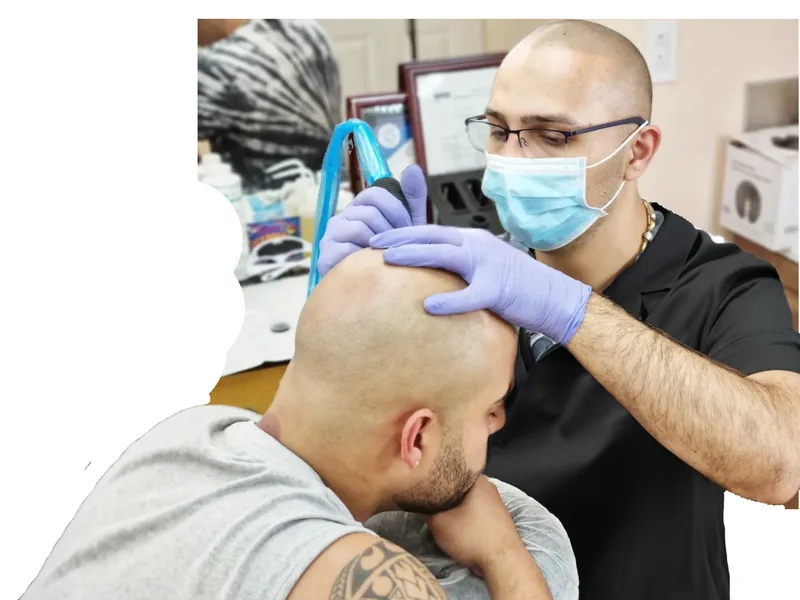
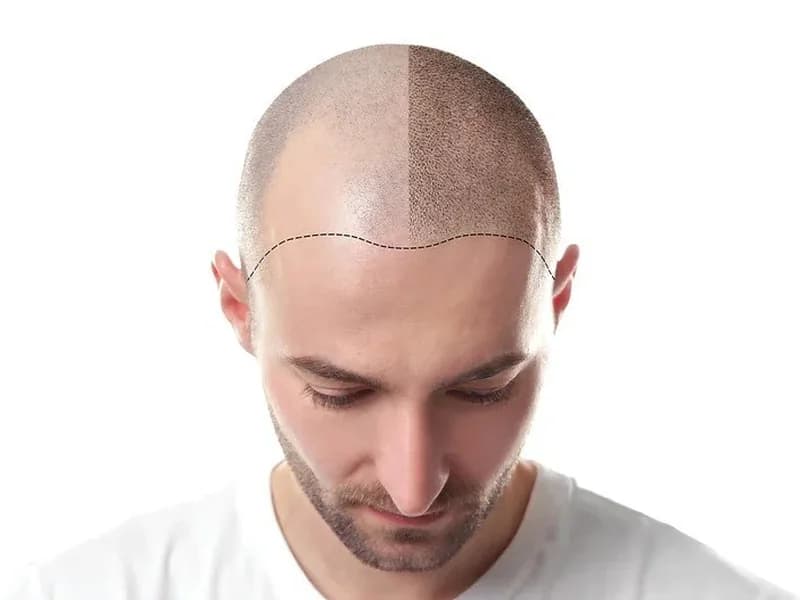
SMP uses specialized cosmetic pigment to place small impressions in the upper layers of the scalp. When done well, those impressions mimic the look of tiny hair follicles. The result is not “painted hair.” It should look like natural stubble, shadow, or added density depending on the client’s hair-loss pattern.
At Therapeutic Cuts in Rego Park, the conversation starts with the haircut. If you keep your hair very short, SMP can help the scalp and hair look more even. If you want medium or long hair to cover a bald area, SMP may not be the right first choice.
What SMP does and does not do
| Question | Answer | Practical note |
|---|---|---|
| What it does | Creates the appearance of shaved hair follicles or denser scalp coverage using tiny pigment impressions. | Best for buzzed/short looks, hairline framing, crown density, and scar camouflage. |
| What it does not do | It does not grow hair, move follicles, or replace medical hair-loss treatment. | If you want longer growing hair, compare SMP with transplant or medical options first. |
| Typical sessions | Most plans take 2–3 sessions, sometimes more for corrective or full-scalp work. | A gradual build usually looks more natural than trying to go too dark in one visit. |
| Best haircut length | Usually shaved, buzzed, or very short so the pigment blends with real hair stubble. | The haircut plan matters as much as the pigment plan. |
What happens during SMP sessions?
Most clients need more than one visit. The first session creates the foundation. Later sessions build density, soften or refine the hairline, and account for how the pigment heals. A gradual approach is usually safer because it avoids the heavy, over-dark look that makes bad SMP obvious.
During consultation, ask about your hairline plan, how the practitioner chooses pigment tone, how many sessions are included, and what the touch-up policy looks like. If the answer is vague, keep asking.
Questions to ask before booking SMP
1. What haircut length will I need to maintain after SMP?
2. How will you choose pigment tone for my skin and hair color?
3. How many sessions are included in the plan?
4. Can I see healed results, not only fresh treatment photos?
5. What happens if my hair loss progresses later?
How much does scalp micropigmentation cost?
Price depends on the amount of scalp covered, number of sessions, density goals, scar work, and whether the case is new or corrective. If you are comparing quotes, use our SMP cost guide and hair tattoo cost guide to understand the difference between a small hairline plan and full-scalp work.
Want to know if SMP fits your haircut?
Bring your current haircut, goal photos, and questions. We will tell you whether SMP makes sense for your look — and what haircut length you would need to maintain for it to blend.
FAQs
Does scalp micropigmentation grow hair?
No. SMP creates the appearance of hair follicles or density with pigment. It does not grow new hair.
Does SMP look fake?
It can look fake if the hairline is too sharp, the pigment is too dark, or the surrounding hair is too long. Good SMP is conservative, layered, and matched to the haircut.
Can SMP work with a hair transplant?
Yes. Some clients use SMP after a transplant to add visual density or camouflage scars. Timing should follow the transplant surgeon’s healing guidance.