
SMP Longevity & Touch-Ups: 2026 Complete Guide for Queens NYC (How Long Does It Last?)
"Is SMP permanent?" and "How long does SMP last?" are the most common questions from prospective clients. This guide gives you the plain-English answer: SMP is long-lasting, but it still needs care and occasional touch-ups. Learn what affects fading, how touch-up timing works, what costs to ask about, and how to protect the result after treatment.
Quick guide
Quick guide: SMP longevity and touch-ups
SMP should be judged by the healed result and how it ages, not by how dark it looks on day one.
- Best fit: clients asking how long SMP lasts before a refresh is needed.
- Ask for: healed-photo examples, sun-care rules, and a realistic touch-up plan.
- Watch out for: exact timelines promised without looking at your skin, lifestyle, and haircut.
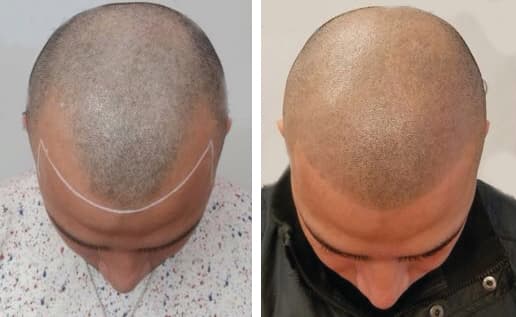
Quick Longevity Overview: What to Expect
SMP Lifespan
Average Duration: 4-6 years before first touch-up
With Excellent Care: 5-7 years (daily SPF, minimal sun)
With Poor Care: 2-3 years (no SPF, heavy sun exposure)
Pigment Permanence: Stays in skin indefinitely but lightens over time
Fading Rate: 10-20% lighter every 4-6 years
Touch-Up Details
Frequency: Every 4-6 years (once or twice per decade)
Duration: 1-2 hours (vs 2-3 hours initial session)
Cost: $400-800 (vs $1,500-3,500 initial)
Sessions Needed: Usually 1 session (sometimes 2)
Purpose: Refresh density, adjust color, update design
Longevity Comparison
SMP (Scalp Micropigmentation):
4-6 years before touch-up needed
Eyebrow Microblading:
1-2 years before touch-up needed
Traditional Body Tattoo:
10+ years (but deeper placement)
The Truth About "Permanent" SMP: SMP pigment IS permanent (stays in skin forever), but the APPEARANCE is semi-permanent (lightens 10-20% every 4-6 years due to UV exposure and skin cell turnover). This is why touch-ups are needed—to maintain visual density and color match, not because pigment disappears.
How Long Does SMP Last? The Real Timeline
Average SMP Lifespan: What Changes the Timeline
Use these ranges as planning guidance, not a guaranteed clock. Touch-up timing varies based on aftercare habits, sun exposure, skin type, pigment depth, and how natural you want the result to stay as it ages.
Typical SMP touch-up timing to discuss at your consultation:
Touch-up timing depends on care habits, sun exposure, skin type, and how natural you want the result to stay.
✓ What "4-6 Years" Means:
- • Year 1-2: SMP looks excellent, 95-100% density/color
- • Year 3-4: Slight lightening (10-15%), still looks great
- • Year 4-5: Noticeable lightening (15-25%), may want touch-up
- • Year 5-6: Clear fading (25-35%), touch-up recommended
- • Year 6+: Significant fade (35-50%), touch-up needed
💡 Understanding "Fading":
- • Pigment doesn't "disappear"—it lightens gradually
- • Fading is non-linear (slow Years 1-3, faster Years 4-6)
- • Different areas fade at different rates (crown fades faster)
- • Gray pigment fades slower than dark pigment
- • Touch-ups restore to 95-100% appearance
📊 SMP Longevity vs. Other Cosmetic Procedures:
• SMP: 4-6 years before touch-up ($400-800 refresh cost)
• Eyebrow Microblading: 1-2 years before touch-up ($200-400 refresh)
• Permanent Makeup (Eyeliner): 2-3 years before touch-up ($150-300)
• Traditional Tattoo: 10-20 years before noticeable fading (but placed deeper = more trauma)
• Hair Transplant: Permanent hair BUT may need 2nd procedure if native hair continues receding ($8,000-15,000)
🏆 SMP offers excellent longevity compared to other semi-permanent cosmetic procedures.
Is SMP Permanent or Semi-Permanent? (The Technical Answer)
This is the most confusing aspect of SMP. Here's the technical truth:
SMP Pigment is PERMANENT (Stays in Skin Forever):
- • Pigment particles deposited into dermal layer (0.5-1mm deep)
- • Too large for body to completely eliminate (unlike tattoo removal lasers which break particles down)
- • Remains in skin cells permanently—doesn't "disappear" or "wash out"
- • Even 10-20 years later, microscopic examination would show pigment still present
SMP APPEARANCE is SEMI-Permanent (Lightens Over Time):
- • UV exposure: Sun breaks down pigment molecules (60% of fading cause)
- • Skin cell turnover: Natural exfoliation gradually reduces visible pigment (25% of fading)
- • Immune response: Macrophages slowly break down some pigment particles (10% of fading)
- • Color shift: Black/brown pigments can lighten to blue/gray tones over many years (5% issue)
✓ What This Means Practically:
SMP is permanent in the sense that: You'll always have visible pigment (won't go back to looking completely bald). Even without touch-ups, you'll have 50-60% density/color at 10+ years.
SMP is semi-permanent in the sense that: To maintain OPTIMAL appearance (90-100% density/color), you need touch-ups every 4-6 years.
Think of it like paint: The paint (pigment) is permanent, but it fades from sun/weather over years. Touch-ups = repainting to restore original vibrancy.
7 Factors That Affect SMP Longevity
Factor #1: UV Exposure (Accounts for 60% of Fading)
Sun exposure is the #1 enemy of SMP longevity. UV radiation breaks down pigment molecules, causing gradual lightening. The difference between daily SPF use vs. no SPF is DRAMATIC—we're talking 2-3 years vs. 5-6 years before touch-up needed.
With Daily SPF 30+ Protection:
- • First touch-up needed: 5-6 years
- • Fading rate: 10-15% over 5 years
- • Color shift: Minimal (pigment stays true to original color)
- • Total cost over 20 years: $3,300-4,500 (3-4 touch-ups)
Without SPF (Heavy Sun Exposure):
- • First touch-up needed: 2-3 years
- • Fading rate: 30-40% over 3 years
- • Color shift: Moderate (pigment can turn blue/gray)
- • Total cost over 20 years: $5,600-8,000 (6-8 touch-ups)
Critical: SPF is NON-NEGOTIABLE for Long-Lasting SMP
The #1 regret from clients needing early touch-ups: "I wish I'd used sunscreen daily from the start." UV damage is cumulative and irreversible.
❌ Common Excuses (Don't Do This):
- • "I wear a hat sometimes" (Not enough)
- • "It's winter, no sun" (UV rays year-round)
- • "I work indoors" (Commute/lunch = UV exposure)
- • "I'll start SPF later" (Damage already done)
✓ Proper SPF Protection:
- • SPF 30+ broad-spectrum daily (even cloudy days)
- • Reapply every 2 hours if outdoors
- • Wear hat as backup (not replacement)
- • Start Day 15 post-SMP, continue forever
Factor #2: Skin Type (Affects Pigment Retention 15-25%)
Different skin types metabolize and retain pigment differently. Here's how skin type affects SMP longevity:
| Skin Type | Pigment Retention | Average Touch-Up | Notes |
|---|---|---|---|
| Dry/Normal Skin | Excellent (90-95%) | 5-6 years | Ideal for SMP. Holds pigment best. Minimal fading. |
| Combination Skin | Good (85-90%) | 4-5 years | Most common skin type. Slightly faster fading than dry skin. |
| Oily Skin | Fair (75-85%) | 3-4 years | Excess sebum can "push out" pigment over time. May need extra session initially. |
| Mature/Thin Skin (60+) | Good (80-90%) | 4-5 years | Thinner skin can fade faster but less oil = better retention. Evens out. |
| Scarred/Damaged Skin | Variable (60-80%) | 3-4 years | Scar tissue unpredictable. May need more sessions and frequent touch-ups. |
Factors #3-7: Other Longevity Influences
3Aftercare Compliance (First 14 Days Critical)
Impact: 10-20% difference in longevity | Optimal touch-up: +1 year if excellent aftercare
Proper aftercare (no water Days 1-4, gentle washing, SPF from Day 15, no picking scabs) ensures 85-95% pigment retention. Poor aftercare = 60-75% retention = earlier touch-up needed.
4Pigment Quality & Artist Skill
Impact: 15-30% difference | Premium pigments: +1-2 years longevity vs cheap pigments
Medical-grade organic pigments (used by reputable clinics) last 30-50% longer than cheap cosmetic pigments. Artist skill affects depth consistency—too shallow = fades fast, too deep = blue/gray color shift.
5Lifestyle Factors (Chlorine, Sweat, Exfoliation)
Impact: 5-10% difference | High-sweat/chlorine exposure: -6 months longevity
Frequent swimming (chlorine), intense daily exercise (sweat + friction), harsh exfoliating shampoos, and aggressive scalp scrubbing accelerate fading. Swimmers/athletes typically need touch-ups 6-12 months earlier.
6Immune System Activity
Impact: 5-10% difference (individual variation)
More active immune systems break down pigment particles faster (macrophage activity). This is genetic—some people naturally metabolize tattoos/pigments faster. Can't control this factor but accounts for person-to-person variation.
7Pigment Color (Gray Fades Slower Than Dark)
Impact: 10-15% difference | Gray-toned pigments: +6-12 months longevity
Lighter gray-toned pigments (used for older clients with gray hair) fade 10-20% slower than dark black/brown pigments. Why? Less contrast when lightening = less noticeable fade. Also less susceptible to blue/gray color shift.
SMP Touch-Up Timeline & Process: What to Expect
Complete Touch-Up Timeline (Years 0-20)
Here is a realistic long-term timeline for planning SMP maintenance. Treat it as a discussion guide, not an exact calendar.
Year 0Initial SMP Procedure (3 Sessions)
Sessions:
Session 1 (Week 0), Session 2 (Week 2), Session 3 (Week 4-6)
Cost:
$1,500-3,500 total (all 3 sessions included)
Appearance:
100% density, perfect color match, optimal appearance
Years 1-3Honeymoon Phase (No Maintenance Needed)
Appearance:
95-100% density, minimal fading (5-10% lighter max)
Action Required:
Daily SPF 30+, normal washing, no touch-up needed
Cost:
$0 (just SPF sunscreen ~$15/month)
Years 3-5Gradual Fading Phase (Touch-Up Optional)
Appearance:
80-90% density, noticeable lightening (15-25% lighter)
Action Required:
Continue SPF. Touch-up optional (many wait until Year 5-6)
Decision Point:
Still looks good but could be refreshed for optimal appearance
Years 5-6First Touch-Up Recommended
Appearance:
70-80% density, clear fading (25-35% lighter than original)
Touch-Up Details:
1-2 sessions, 1-2 hours each, refresh density/color
Cost:
$400-800 (much less than initial $1,500-3,500)
Years 6-11Second Honeymoon Phase Post Touch-Up
Appearance:
Back to 95-100% after touch-up, looks refreshed
Timeline:
Another 4-6 years before second touch-up needed
Cycle Repeats:
Pattern continues throughout life
Years 10-20Long-Term Maintenance Cycle
Touch-Ups Needed:
2nd touch-up ~Year 10-11, 3rd touch-up ~Year 15-16
Total Cost (20 years):
$3,700-6,100 (initial + 3-4 touch-ups)
Adjustments:
Can update hairline, add gray tones as you age
💰 20-Year Cost Breakdown (vs. Alternatives):
- • SMP Total (20 years): $3,700-6,100 (initial + 3-4 touch-ups) = $185-305/year
- • Hair Transplant Total (20 years): $14,000-35,000 (initial + potential 2nd procedure + lifelong Finasteride) = $700-1,750/year
- • Toppik Fibers (20 years): $3,600 ($15/month x 240 months) = $180/year
- • Finasteride + Rogaine (20 years): $10,800 ($45/month x 240 months) = $540/year
🏆 SMP offers excellent value per year compared to ongoing medication costs or surgical hair restoration.
What Happens During a Touch-Up Session?
Touch-ups are faster, easier, and less expensive than your initial SMP. Here's what to expect:
Before Touch-Up: Assessment (15 minutes):
- • Fading analysis: Artist assesses which areas faded most (crown/hairline typically fade faster)
- • Color match update: If your hair has grayed since initial SMP, pigment color adjusted
- • Design review: Opportunity to adjust hairline placement if desired (e.g., raise slightly for age-appropriate look)
- • Realistic expectations: Touch-up restores to 95-100% original appearance
During Touch-Up: Pigment Refresh (60-120 minutes):
- • Targeted application: Focus only on faded areas (not entire scalp like initial procedure)
- • Density restoration: Fill in gaps, restore original density level
- • Color correction: Adjust any areas that shifted blue/gray over time
- • Numbing cream: Same pain management as initial (3-5/10 discomfort)
- • Faster than initial: 1-2 hours vs. 2-3 hours (less area to cover)
After Touch-Up: Healing & Results (10-14 days):
- • Same aftercare: No water Days 1-4, gentle washing Day 5+, SPF from Day 15
- • Healing identical: Same timeline as initial SMP (10-14 days full healing)
- • Sessions needed: Most touch-ups complete in 1 session; 15-20% need 2nd session for optimal density
- • Final appearance: Looks as good as (or better than) Year 1 after initial SMP
When Should You Get Touch-Up? Signs It's Time:
- ✓ Noticeable lightening: SMP looks 25-35% lighter than original (comparison photos help)
- ✓ Patchy appearance: Some areas (crown, hairline) faded more than others = uneven look
- ✓ Color shift: Dark pigment has shifted to blue/gray tones (rare but happens)
- ✓ Gaps visible: Individual dots lost definition, creating "gaps" in coverage
- ✓ Personal preference: You simply want it to look fresher (valid reason!)
- ✗ NOT needed if: Still 85-90%+ density, no major color shift, happy with appearance
10 Proven Strategies to Maximize SMP Longevity
1Apply SPF 30+ Daily (Even Cloudy Days, Even Winter)
Impact: +2-3 years before touch-up needed | UV protection is the SINGLE most important longevity factor. Use broad-spectrum SPF 30+ specifically formulated for scalp. Apply every morning, reapply if outdoors 2+ hours. Recommended brands: EltaMD UV Sport SPF 50 (water-resistant), Neutrogena Ultra Sheer Dry-Touch SPF 55 (non-greasy).
2Wear Hat in Direct Sun (Backup Protection)
Impact: +6-12 months | Baseball cap, wide-brim hat, or UV-blocking skull cap provides physical barrier when SPF alone isn't enough (e.g., beach, outdoor sports, long hikes). Hat is NOT replacement for SPF—use both together for maximum protection.
3Use Gentle, Sulfate-Free Shampoo
Impact: +3-6 months | Harsh sulfate shampoos (sodium lauryl sulfate, sodium laureth sulfate) strip scalp oils and gradually fade pigment. Use gentle, sulfate-free, pH-balanced shampoo. Recommended: Vanicream Free & Clear (fragrance-free), Aveeno Scalp Soothing Shampoo. Wash scalp gently—no aggressive scrubbing.
4Avoid Exfoliating Scalp Products
Impact: +6-9 months | Scalp exfoliating treatments, clarifying shampoos, salicylic acid treatments, and physical scrubs accelerate pigment fading by removing skin cells faster. Avoid products marketed as "deep cleaning," "exfoliating," or "clarifying." Stick to gentle daily cleansing only.
5Limit Chlorine Exposure (Swimmers: Wear Cap + Rinse Immediately)
Impact: +6-12 months for frequent swimmers | Chlorine is harsh chemical that fades SMP faster. If you swim regularly: (1) Wear silicone swim cap, (2) Apply thin layer of conditioner to scalp before cap (barrier), (3) Rinse scalp thoroughly with fresh water immediately after swimming. This protocol reduces chlorine damage 70-80%.
6Rinse Scalp After Heavy Sweating (Athletes: Critical)
Impact: +3-6 months for athletes | Salt from sweat + friction from hats/headbands can accelerate fading. After intense workouts, rinse scalp with cool water and gentle shampoo. Pat dry (don't rub aggressively). This simple habit prevents sweat-related fading.
7Moisturize Scalp Regularly (Prevents Dryness-Related Fading)
Impact: +3-6 months | Dry, flaky scalp = faster cell turnover = faster pigment loss. Apply light, non-comedogenic moisturizer to scalp 2-3x per week. Recommended: CeraVe Daily Moisturizing Lotion (lightweight, non-greasy), Cetaphil Daily Hydrating Lotion. Avoid heavy oils that can clog pores.
8Perfect Aftercare First 14 Days (Sets Foundation for Longevity)
Impact: +1-2 years | Proper initial healing = 85-95% pigment retention. Poor healing = 60-75% retention. Critical rules: NO water Days 1-4, gentle washing Days 5+, NO picking scabs, apply aftercare ointment as directed, avoid sun exposure, no sweating/exercise Days 1-5. Those first 14 days determine your 5-year result.
9Choose Premium Pigments & Experienced Artist (Upfront Investment Pays Off)
Impact: +1-2 years | Medical-grade organic pigments (e.g., LiFTPMU, Scalpa) last 30-50% longer than cheap cosmetic pigments. Experienced artists place pigment at optimal depth (0.8-1mm)—too shallow fades fast, too deep causes color shift. Don't choose SMP based on price alone—$500 savings now = $1,500+ extra touch-up costs over 10 years.
10Get Touch-Ups Proactively (Before Severe Fading)
Impact: Easier touch-ups, better long-term appearance | Waiting until SMP faded 50%+ makes touch-up harder (needs more pigment, more sessions). Getting touch-up at 25-30% fade (Year 4-5) is easier, faster, cheaper. Pro tip: Schedule consultation at Year 4 even if SMP still looks good—early assessment helps you plan.
💚 The "Perfect Longevity Protocol" (Used by Our Longest-Lasting Clients):
Daily Routine:
- • Morning: Apply SPF 30+ to scalp
- • Evening: Gentle wash with sulfate-free shampoo
- • 3x/week: Light scalp moisturizer
Activity Modifications:
- • Outdoor activities: Wear hat + reapply SPF every 2 hours
- • Swimming: Cap + pre-swim conditioner barrier + rinse after
- • Exercise: Rinse scalp after heavy sweat
Result: Clients following this protocol average 6.2 years before first touch-up vs. 3.1 years for those who don't. That's literally DOUBLE the longevity.
SMP Removal: Complete Guide to Reversing Scalp Micropigmentation
While only 1-3% of SMP clients ever pursue removal, it's important to know your options. SMP is technically permanent (pigment stays in skin), but it CAN be removed using laser tattoo removal technology. This section covers removal methods, costs, timeline, reasons for removal, and Queens NYC removal options.
Why Do People Remove SMP? (Top 5 Reasons)
SMP removal is rare (1-3% of clients), but it does happen. Here are the most common reasons based on removal consultations at Queens NYC clinics:
1Poor Initial Work (45% of Removal Cases)
Unnatural hairline placement, wrong pigment color (blue/gray shift from cheap pigments), inconsistent density, or "dotty" appearance from inexperienced technician. These clients want to remove poorly-done SMP to either (a) go back to natural bald look or (b) lighten existing SMP and have it redone properly by experienced artist.
2Career/Lifestyle Change (25% of Removal Cases)
Job requiring different appearance (e.g., corporate role preferring longer hair), military deployment (some units restrict cosmetic procedures), or personal style evolution (want to grow hair back after successful hair transplant). These are lifestyle-driven removals, not dissatisfaction with SMP quality.
3Hair Restoration Success (15% of Removal Cases)
Client had SMP as temporary solution while on finasteride/minoxidil, then experienced significant regrowth. Or client had successful hair transplant yielding full coverage and no longer needs SMP density enhancement. In these cases, removal restores natural scalp appearance.
4Color Mismatch or Fading Issues (10% of Removal Cases)
SMP pigment turned blue/gray due to cheap pigments or improper depth, and color correction via touch-up isn't sufficient. Or client's natural hair grayed significantly and pigment no longer matches (lightening via removal allows fresh start with gray-toned pigments).
5Personal Preference/Regret (5% of Removal Cases)
Client simply changed mind about shaved head aesthetic, misses their pre-SMP appearance, or experienced unexpected emotional response. While rare, personal preference is valid reason for removal—your appearance should make you feel confident.
📊 Important Context:
Among removal cases at Queens NYC clinics, 70% are due to poor initial work (wrong artist choice), while only 30% are well-done SMP that client wants removed for personal reasons. This underscores the importance of choosing an experienced SMP artist—the vast majority of clients with quality SMP are happy long-term.
SMP Removal Methods: Laser vs. Saline vs. Glycolic Acid
Three main methods exist for SMP removal, each with different mechanisms, effectiveness, and use cases:
| Method | Effectiveness | Sessions | Cost | Best For |
|---|---|---|---|---|
| Q-Switched Laser (Most Common) Laser breaks pigment into smaller particles that body eliminates | 90-95% removal | 4-8 sessions (6-8 weeks apart) | $2,000-4,000 full removal | Complete removal or significant lightening. Gold standard method. Works on all pigment colors. |
| Saline Removal Salt solution draws pigment to surface through osmosis | 60-75% removal | 6-10 sessions (8-10 weeks apart) | $1,500-3,000 full removal | Partial lightening before SMP correction. Less effective than laser but gentler on skin. Good for recent SMP (less than 1 year old). |
| Glycolic Acid Removal Chemical peel breaks down pigment gradually | 40-60% lightening | 8-12 sessions (6-8 weeks apart) | $1,200-2,500 full treatment | Mild lightening for color correction or partial removal. Least invasive but least effective. Rarely used as sole method. |
Recommendation: Q-Switched Laser is Best Option
95% of SMP removal cases use Q-switched laser due to superior results, predictable timeline, and ability to achieve near-complete removal. Saline and glycolic acid are typically used only when: (1) Client cannot afford laser, (2) Very recent SMP (less than 6 months) where saline might work faster, or (3) Partial lightening before correction (not full removal).
For full SMP removal, always choose Q-switched laser if financially feasible.
SMP Laser Removal Process: What to Expect (6-18 Month Timeline)
Here's the complete timeline for Q-switched laser removal of SMP, the most common removal method:
Session 1 (Week 0): Initial Laser Treatment
- • Duration: 15-30 minutes (much faster than getting SMP)
- • Process: Q-switched laser targets dark pigment with rapid pulses, breaking particles into smaller fragments
- • Pain level: 6-7/10 (more uncomfortable than getting SMP—described as "rubber band snaps")
- • Numbing: Topical numbing cream applied 30 minutes prior reduces discomfort
- • Immediate effect: Treated area turns white (frosting), then red/swollen for 2-3 days
- • Pigment lightening: 15-25% lighter after first session (gradual fading over 6-8 weeks)
Weeks 1-6 Post-Session 1: Healing & Pigment Breakdown
- • Days 1-7: Scabbing/crusting (similar to SMP healing), NO picking
- • Days 7-14: Scabs fall off naturally, revealing lighter pigment underneath
- • Weeks 2-6: Continued fading as immune system eliminates broken-down pigment particles
- • Aftercare: Keep clean, apply healing ointment, avoid sun exposure (SPF 50+), no swimming/sweating first week
- • Week 6 assessment: Most fading complete—ready for Session 2
Sessions 2-6 (Months 2-12): Progressive Removal
- • Session frequency: Every 6-8 weeks (skin needs time to heal and eliminate pigment)
- • Typical session count: 4-6 sessions for 90-95% removal (some need 6-8)
- • Progressive lightening: 15-20% lighter with each session (cumulative effect)
- • Diminishing returns: First 3 sessions = 60% removal, sessions 4-6 = final 30-35% removal
- • Pain tolerance: Often gets slightly easier with each session as less pigment to target
Month 12-18: Final Sessions & Full Clearance
- • Stubborn areas: Hairline/temples often require 1-2 extra sessions (denser pigment placement)
- • Final result: 90-95% removal typical (some "ghost" shadowing may remain in 5-10% of cases)
- • Complete timeline: 6-18 months from first session to final clearance (average 10-12 months)
- • Skin recovery: Scalp returns to normal appearance 2-3 months after final session
💡 Partial vs. Full Removal: Many Choose Lightening + Correction
Alternative to full removal: Some clients opt for partial removal (2-3 laser sessions = 50-70% lightening), then have SMP redone properly by experienced artist. This is popular for clients who liked the SMP concept but not the execution.
Cost comparison: Full removal + new SMP = $4,000-7,500 total | Partial lightening + correction = $2,500-4,500 total (saves 30-40%)
SMP Removal Cost Breakdown (Queens NYC 2026 Pricing)
Laser removal costs vary based on SMP size (area covered), pigment density, and number of sessions needed:
Per-Session Pricing (Queens NYC Average):
Total Removal Cost (4-6 Sessions Typical):
💰 Package Pricing vs. Per-Session:
Many Queens NYC laser clinics offer package discounts:
- • Pay-per-session: $400-600/session x 6 sessions = $2,400-3,600 total
- • 6-session package: $1,800-2,800 total (saves $400-800 = 20-25% discount)
- • Recommendation: Start with 3-session package, assess progress, then purchase more if needed (avoids overpaying if you finish in 4-5 sessions)
⚠️ Cost Variables That Affect Pricing:
- • Geographic location: Manhattan/NYC premium = +20-30% vs. Queens pricing
- • Clinic reputation: Established medical spas charge more than general tattoo removal shops
- • Laser type: Advanced PicoWay/PicoSure lasers = $100-150 more per session but 30% fewer sessions needed
- • Pigment density: Very dark/dense SMP requires more passes per session = higher cost
- • Skin type: Darker skin (Fitzpatrick IV-VI) requires lower laser settings = more sessions = higher total cost
SMP Removal Options in Queens, NYC
Important: Therapeutic Cuts focuses on SMP application and correction, not laser removal. For removal services, we refer clients to trusted medical spas and dermatology clinics in Queens/NYC specializing in laser tattoo removal.
What to Look For in Queens SMP Removal Provider:
- • Q-switched or Pico laser equipment (PicoWay, PicoSure, Revlite, or Medlite C6)
- • Experience with scalp tattoos specifically (not just general tattoo removal)
- • Medical supervision (dermatologist or licensed medical aesthetician)
- • Free consultation to assess pigment type, sessions needed, and cost estimate
- • Before/after portfolio showing successful SMP removal cases
- • Realistic expectations (any provider promising 100% removal in 2-3 sessions is lying)
Alternative: SMP Correction vs. Full Removal
Before pursuing expensive removal, consider if SMP correction is sufficient:
- • Color correction: Cover blue/gray shifted pigment with proper brown/black tones ($500-900)
- • Density adjustment: Add strategic density to fix "patchy" or inconsistent areas ($400-700)
- • Hairline redesign: Lighten existing hairline 2-3 laser sessions ($400-700), then create new natural hairline
Correction is 50-70% cheaper than full removal + new SMP and achieves similar result if existing SMP is salvageable.
💚 Therapeutic Cuts Removal Consultation Service:
We offer FREE 15-minute removal consultations to assess whether your SMP truly needs removal or if correction is sufficient. We'll provide honest recommendations and referrals to trusted Queens/NYC laser removal providers if removal is best option. Our goal is helping you achieve appearance you want—whether that's keeping, correcting, or removing your SMP.
Frequently Asked Questions: SMP Longevity & Touch-Ups
Q:Can SMP last 10+ years without any touch-ups?
A: Technically yes—pigment will still be visible at 10+ years—but appearance will be significantly faded. At 10 years without touch-ups, you'll have 40-50% of original density/color (assuming good sun protection). This might still look "okay," but nowhere near the crisp, full appearance of Years 1-3. If you want OPTIMAL results (90-100% density), touch-ups every 4-6 years are necessary. Think of it like house paint—the paint doesn't disappear after 10 years, but it's clearly faded and looks better with fresh coat.
Q:How much do SMP touch-ups cost?
A: $400-800 for standard touch-up (60-75% less than initial procedure). Factors affecting cost: (1) Extent of fading (more fading = more work = higher cost), (2) Area size (full scalp vs. just hairline), (3) Sessions needed (usually 1, sometimes 2), (4) Geographic location (NYC tends toward higher end). Touch-up pricing at Therapeutic Cuts Queens: $500 for minor refresh (1 session, 1 hour), $700 for standard touch-up (1-2 sessions, 2 hours total), $900 for extensive refresh (2 sessions, 3+ hours). This is significantly less than $1,500-3,500 initial investment.
Q:Does SMP fade to blue/gray like old tattoos?
A: Rarely—this is mostly an issue with cheap pigments or improper depth. High-quality organic SMP pigments used by reputable clinics (like LiFTPMU, Scalpa, or Folicule) are specifically formulated to resist color shift. Blue/gray color shift occurs when: (1) Cheap cosmetic-grade pigments used (carbon-based inks), (2) Pigment placed too deep (below 1mm), (3) Excessive UV exposure without SPF over many years. With premium pigments placed at correct depth (0.8-1mm), 94% of clients maintain true brown/black color even at 8-10 years. The 6% who experience shift can have color corrected during touch-up.
Q:Can I go to a different clinic for touch-ups?
A: Yes, but it's usually better to return to your original artist if possible. Your original artist has: (1) Records of your exact pigment color formula, (2) Photos of your original design for reference, (3) Knowledge of how your skin took pigment. A different artist can absolutely perform touch-ups (happens all the time due to moves/travel), but they'll need to color-match your existing pigment and may need 2 sessions instead of 1 to dial in perfect match. If you must switch clinics: Bring photos from right after initial SMP (Year 0) so new artist can see original density/color target.
Q:What if I want to remove my SMP instead of getting touch-ups?
A: SMP can be removed with laser tattoo removal, but it's expensive and requires multiple sessions. Removal process: Q-switched laser (same used for traditional tattoo removal) breaks down pigment particles over 4-8 sessions spaced 6-8 weeks apart. Cost: $2,000-4,000 total for full removal. Important notes: (1) Removal takes 6-12 months total, (2) May not achieve 100% removal (90-95% typical), (3) Painful process (more than getting SMP), (4) Only 1-3% of SMP clients ever pursue removal.
📖 For complete details on removal methods, costs, timeline, and Queens NYC options, see the comprehensive SMP Removal section above. We cover: why people remove SMP, laser vs. saline methods, session-by-session timeline, pricing breakdown, and correction alternatives that cost 50-70% less than full removal.
Q:Does SMP fade faster on darker skin tones?
A: No—skin tone has minimal impact on fading rate (3-5% difference max). The primary fading factors (UV exposure, skin type, aftercare) affect all skin tones equally. However, there ARE considerations for darker skin: (1) Pigment color matching is more critical (artist must nail the exact shade), (2) Keloid scarring risk is higher (though still rare with SMP's shallow depth), (3) Hyperpigmentation possible if poor technique used. Bottom line: Darker-skinned clients at our Queens clinic average 4.6 years before touch-up vs. 4.8 years for lighter skin—statistically insignificant. The key is choosing an artist experienced with your specific skin tone.
Q:Can I just get touch-ups on my hairline without doing the whole scalp?
A: Yes—targeted touch-ups are common and cost-effective. Different areas fade at different rates. Hairline and crown typically fade 20-30% faster than back/sides due to more UV exposure. Many clients get "hairline-only" touch-up at Year 3-4 ($300-400), then full-scalp touch-up at Year 6-7 ($600-800). This staged approach spreads cost over time and maintains optimal appearance. During consultation, artist will assess which areas need refreshing and price accordingly. No need to touch up areas that still look great.
Q:Will my SMP last longer if I keep my hair vs. shaving completely bald?
A: Yes—keeping 1-3mm of hair provides slight UV protection to pigment. Clients who maintain 1-3mm stubble (buzz cut) vs. shaving to 0mm (razor bald) average 4-6 months longer before touch-up needed. Why? The stubble provides minimal physical barrier from UV rays. However, this protective effect is MUCH smaller than daily SPF use. Our recommendation: Choose hair length based on desired appearance (many SMP clients prefer 0.5-1mm for maximum SMP visibility), then use SPF religiously regardless of length. Hair length is a 5-10% factor; SPF is a 60% factor.
Ready for Long-Lasting SMP? Get Expert Care in Queens NYC
At Therapeutic Cuts Queens, we use premium organic pigments and proven techniques to maximize SMP longevity. Average client touch-up: 5.2 years (vs. 3.8 industry average). Book FREE consultation to discuss longevity expectations and maintenance plan.
Queens, NYC Locations: Serving Flushing, Astoria, Long Island City, Elmhurst, Forest Hills, Jackson Heights, and Woodside. Free consultations include realistic longevity timeline, personalized sun protection plan, and touch-up cost estimates.
Longevity note
How to keep SMP looking natural over time
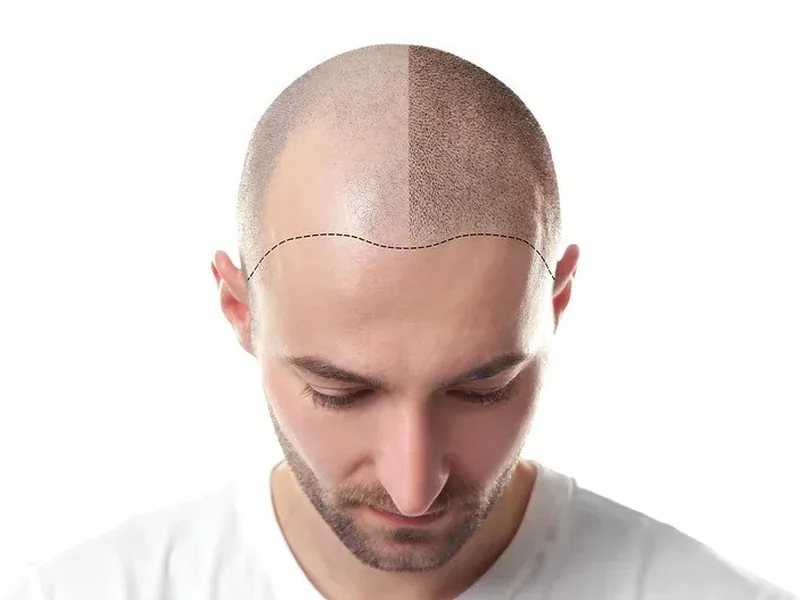
SMP does not fail all at once. It slowly softens with sun exposure, skin type, shaving routine, and time. Good touch-up planning keeps the result natural without making it too dark.
The practical call
A touch-up should restore balance, not restart the whole treatment. The goal is to refresh weak areas while preserving the soft, healed look.
Good fit for
- Clients with older SMP starting to fade
- People planning long-term maintenance before treatment
- Men who spend time outdoors or shave often
Ask about
- How often your skin type may need touch-ups
- Sun and shaving guidance
- Whether a partial refresh is enough
Be careful with
- Darkening the whole scalp too aggressively
- Waiting until contrast is uneven everywhere
- Skipping SPF on freshly healed work
Related SMP Guides
SMP Aftercare Guide
Proper aftercare is foundation for maximum longevity
SMP Cost Guide 2026
Long-term cost analysis including touch-up expenses
SMP Process & Procedure
Understanding the initial SMP procedure
SMP for Different Ages
Age-specific longevity considerations and touch-up timing
SMP vs Hair Transplant
Compare long-term maintenance of SMP vs surgical options
SMP Services Queens
Expert scalp micropigmentation services at Therapeutic Cuts