SMP Pain & Recovery: 2026 Complete Guide for Queens NYC (Honest Pain Scale, Recovery Timeline)
The #1 question we hear: "How much does SMP hurt?" This guide gives a practical answer: what the procedure usually feels like, how numbing and breaks help, what the first two weeks of healing look like, and how to plan work, workouts, shaving, and sun exposure around the appointment.
Quick guide
Quick guide: SMP pain and recovery
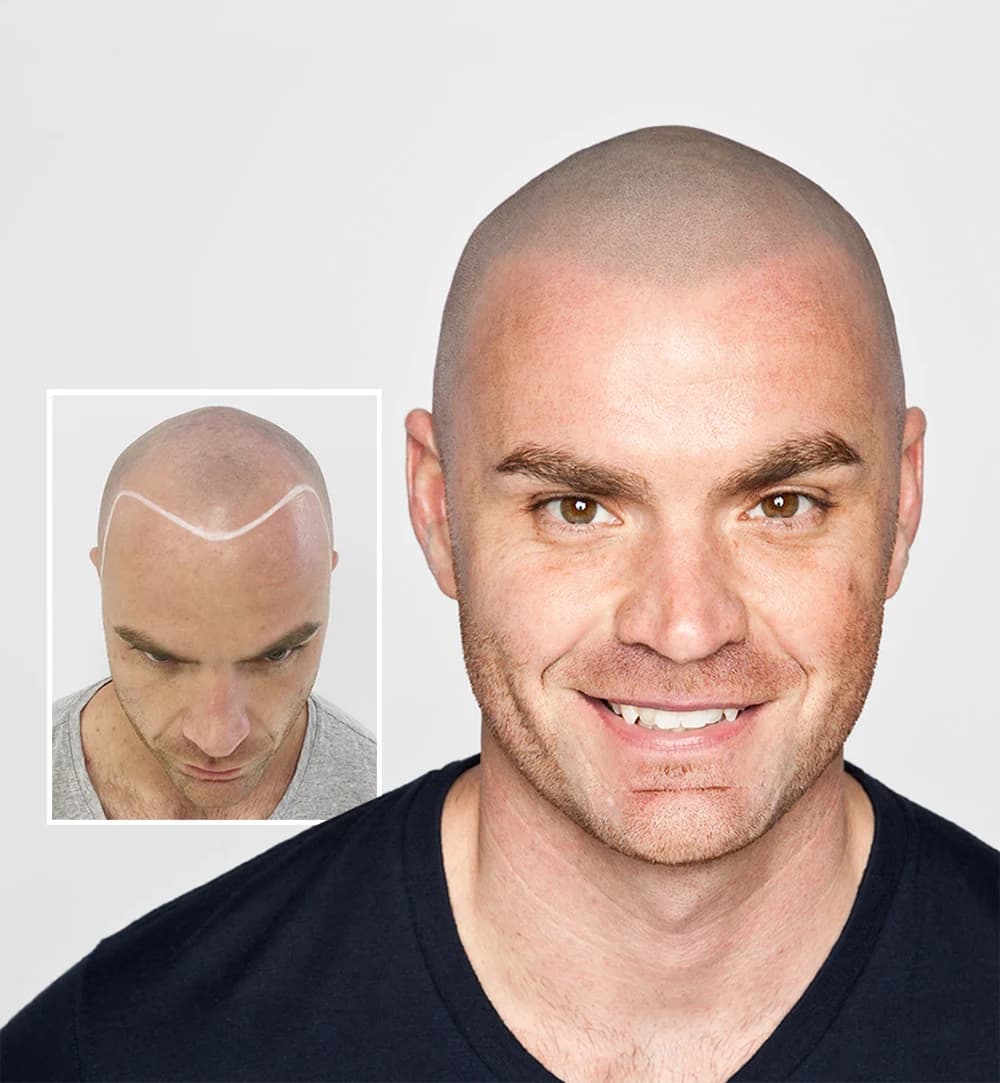
SMP is usually more annoying than scary: repeated scratching, scalp sensitivity, and a few days of careful aftercare.
- Best fit: first-time SMP clients trying to plan work, workouts, shaving, and sun exposure.
- Ask for: numbing guidance, break timing, first-week restrictions, and what normal healing should look like.
- Watch out for: booking right before a trip, event, heavy gym week, or full sun exposure.
Quick Pain & Recovery Overview
Pain During Procedure
Pain Level: 3-5/10 (tolerable for 98% of clients)
Feels Like: Repetitive scratching, vibration, mild burning
With Numbing Cream: Reduces pain 60-70%
Duration: 2-3 hours per session
Comparison: Less painful than tattoo, similar to eyebrow threading
Pain After Procedure
Pain Level: 1-2/10 (mild tenderness)
Feels Like: Mild sunburn, scalp sensitivity
Peak Discomfort: First 24-48 hours
Duration: 3-5 days of tenderness
Pain Medication: 87% need NO pain medication (OTC if needed)
Recovery Timeline
Days 1-4:
Redness, pinpoint scabbing, tenderness
Days 5-10:
Scabs flaking off, pigment lightens 30-40%
Days 10-14:
Full healing, final appearance settles
Bottom Line: SMP is usually manageable when the session is paced well, numbing is used appropriately, and the client knows what to expect. Most people describe it as repetitive scratching or scalp sensitivity, not sharp pain.
Pain During the SMP Procedure: What to Expect
Honest Pain Scale: 3-5/10 with Numbing
Pain varies by scalp sensitivity, treatment area, session length, and whether numbing cream is used. Most clients find it tolerable with breaks and clear expectations. Here's a practical way to think about the range:
Common pain-level descriptions with numbing cream:
Typical experience: manageable with numbing, breaks, and realistic expectations
What It Actually Feels Like:
- • Scratching sensation: Like a cat lightly scratching your scalp (most common description)
- • Vibration: Buzzing/vibrating feeling from the SMP machine
- • Stinging: Intermittent sharp stings when needle hits sensitive spots
- • Pressure: Artist applies firm pressure to keep skin taut
- • Heat/burning: Mild burning sensation in more sensitive areas
Pain Comparisons (Client Reports):
- • Less painful than: Traditional tattoo (82% say SMP hurts less)
- • Similar to: Eyebrow threading, eyebrow microblading
- • More painful than: Haircut, scalp massage
- • Most say: "Annoying rather than painful"
- • Best description: "Like getting your scalp scratched for 2 hours"
Why SMP Hurts LESS Than Regular Tattoos:
SMP Needle Depth:
- • 0.5-1mm penetration: Only into epidermis/dermis border
- • Fewer nerve endings: Shallower = less pain
- • Quick dots: Needle taps surface rapidly, not dragging
Regular Tattoo Needle Depth:
- • 1.5-2mm penetration: Deeper into dermis
- • More nerve activation: Deeper = more pain
- • Dragging motion: Needle drags to create lines
Scalp Pain Map: Most & Least Painful Areas
Not all scalp areas hurt equally. Here's the pain map based on client feedback:
🔴 MOST Painful (Pain 5-7/10):
Top center of scalp (vertex/crown): This can feel sharper for some clients because the skin and nerve sensitivity vary. Tell the practitioner early if this area needs more breaks.
🟠 Moderate Pain (Pain 4-5/10):
Temples and hairline: Sensitive area with moderate nerve density. 54% report increased sensitivity. Feels like sharper scratching.
🟡 Mild-Moderate Pain (Pain 3-4/10):
Front-mid scalp: Average pain area. Most clients tolerate this easily. Standard scratching sensation.
🟢 LEAST Painful (Pain 2-3/10):
Back and sides of scalp: Thicker skin, fewer nerve endings. 71% rate this as "barely noticeable." Feels like gentle vibration.
💡 Artist Strategy: Pain Management During Session
Experienced SMP artists start with LESS painful areas (back/sides) to let you acclimate, then work toward MORE painful areas (crown/vertex) once you're relaxed. This progressive approach reduces overall pain perception.
Numbing Cream: The Game-Changer (Reduces Pain 60-70%)
Topical numbing cream is the single most effective pain management tool. Applied 30-45 minutes before procedure, medical-grade numbing cream (4-5% lidocaine) reduces pain sensation by 60-70% for most clients.
With Numbing Cream (Recommended):
- • Average pain: 3.7/10
- • Duration: 1.5-2 hours of numbness
- • Sensation: Dull pressure, mild scratching
- • Client rating: 94% say "made huge difference"
- • Cost: $0-50 (included at most clinics)
Without Numbing Cream (Not Recommended):
- • Average pain: 6.2/10
- • Duration: Full sensation for entire 2-3 hours
- • Sensation: Sharp scratching, burning, stinging
- • Client rating: 73% say "wished I used numbing"
- • Result: 41% couldn't finish full session due to pain
Important: Numbing Cream Wears Off During Session
Reality check: Numbing cream lasts 1.5-2 hours, but most SMP sessions are 2-3 hours. This means numbness WILL wear off during the last 30-60 minutes.
First 90 Minutes (Fully Numb):
- • Pain 2-3/10
- • Feels like gentle pressure
- • Most clients very comfortable
Last 30-60 Minutes (Wearing Off):
- • Pain 4-6/10
- • Sensation returns gradually
- • Can request 5-10 min break if needed
Pain After the SMP Procedure: Post-Treatment Discomfort
Good News: Post-SMP Pain is Minimal (1-2/10)
87% of clients take ZERO pain medication after SMP. Post-procedure pain is mild—comparable to a sunburn. Most describe it as "tenderness" rather than "pain." Here's the realistic timeline:
Post-Procedure Pain Timeline:
Hours 0-6 (Immediately After):
Pain Level: 2-3/10 (mild tenderness)
Feels Like: Scalp feels hot, tight, sensitive to touch. Mild throbbing if you touch it. Mostly just awareness that "something was done."
Management: Ice pack (wrapped in towel) for 10-15 min every hour. Avoid touching scalp. Most clients say this is "noticeable but not painful."
Hours 6-24 (First Night):
Pain Level: 1-2/10 (mild sensitivity)
Feels Like: Scalp feels sunburned. Sensitive when touching pillow. Slight tightness. 76% sleep normally with no issues.
Management: Sleep on clean pillowcase (change nightly). Sleep on back if possible to avoid rubbing scalp. Most need NO pain medication.
Days 1-3 (Peak Tenderness):
Pain Level: 1-2/10 (mild scalp sensitivity)
Feels Like: Tender to touch, like a healing scrape. Doesn't hurt unless you touch it. No throbbing or aching at rest.
Management: Gentle washing (Day 4+), avoid direct sun, no hats rubbing scalp. 13% take OTC pain reliever (Tylenol) once or twice.
Days 4-7 (Diminishing):
Pain Level: 0-1/10 (barely noticeable)
Feels Like: Occasional itchiness as scabs form/flake. Minimal tenderness. Most clients forget about it.
Management: Resist urge to scratch/pick scabs. Moisturize gently. Pain essentially gone.
Days 7+ (Resolved):
Pain Level: 0/10 (no pain)
Feels Like: Normal. Scalp feels completely back to baseline.
Management: None needed. Full comfort restored.
📊 Post-SMP Pain Medication Usage (Queens NYC Client Data):
- • 87%: Took ZERO pain medication
- • 11%: Took OTC pain reliever 1-2 times (Tylenol, Advil)
- • 2%: Took OTC pain reliever 3-5 times
- • 0%: Required prescription pain medication
Bottom line: Post-SMP pain is so minimal that 9 out of 10 clients need NO medication whatsoever.
Managing Post-Procedure Discomfort: Proven Strategies
✓ DO These (Reduces Discomfort):
- • Ice wrapped in towel: 10-15 min every hour for first 6 hours (reduces inflammation)
- • Sleep elevated: Extra pillow keeps head slightly raised (reduces scalp pressure)
- • Stay hydrated: Drink 8+ glasses water daily (promotes healing)
- • Avoid alcohol 48 hours: Alcohol thins blood, increases inflammation
- • Take Tylenol if needed: 500mg every 6 hours (safe for SMP healing)
- • Gentle movement: Light walking increases blood flow (speeds healing)
- • Clean pillowcase: Change nightly to prevent irritation
✗ DON'T Do These (Increases Pain):
- • Touch or scratch scalp: Increases irritation, risk of infection
- • Take Aspirin/Ibuprofen first 48 hours: Thins blood, increases bleeding (Tylenol is OK)
- • Exercise hard first 5 days: Sweating causes stinging, delays healing
- • Hot showers first 4 days: Heat increases inflammation (lukewarm only)
- • Wear tight hats: Pressure on fresh SMP causes pain, damages pigment
- • Direct sun exposure: Sunburn on fresh SMP = severe pain
- • Pick at scabs: Causes pain, removes pigment, creates scarring risk
When to Contact Your SMP Specialist:
While post-SMP pain is usually minimal, contact your specialist if you experience:
- • Severe pain 5+/10: Unusual—may indicate infection or allergic reaction
- • Increasing pain after Day 3: Pain should decrease, not increase
- • Pus, extreme redness, or fever: Signs of infection
- • Severe swelling: Some redness is normal, but extreme swelling is not
Note: These complications occur in less than 0.5% of procedures when proper aftercare is followed.
Complete SMP Recovery Timeline: Day-by-Day Guide
Full Healing: 10-14 Days
SMP healing follows predictable stages. Understanding what to expect each day eliminates anxiety and helps you care for your scalp properly. Here's the complete day-by-day timeline:
1Day 1: Immediate Post-Treatment
Appearance:
- • Scalp looks dark, bold
- • Slight redness around dots
- • Pigment appears 40-50% darker than final result
Sensation:
- • Tenderness 2-3/10
- • Tightness, warmth
- • Sensitive to touch
Care:
- • NO water contact
- • Ice pack 10-15 min/hour
- • Avoid touching
2-4Days 2-4: Scab Formation (Critical Window)
Appearance:
- • Pinpoint scabs forming
- • Scalp looks dotted/speckled
- • Redness fading
- • Pigment still very dark
Sensation:
- • Tenderness 1-2/10
- • Tightness as skin heals
- • Beginning to itch
- • No pain at rest
Care:
- • Still NO water (Days 2-3)
- • Gentle washing OK Day 4
- • Apply aftercare ointment
- • DO NOT pick scabs!
5-7Days 5-7: Scab Flaking (Patience Required)
Appearance:
- • Scabs flaking off naturally
- • Pigment lightens 30-40%
- • Patchy appearance (NORMAL!)
- • Some dots look faded
Sensation:
- • No pain (0-1/10)
- • Itchiness common
- • Scalp feels dry
- • Flaky texture
Care:
- • Gentle washing OK
- • Moisturize regularly
- • Let scabs fall naturally
- • Resist scratching urge
⚠️ Critical: Day 5-7 is when most clients panic about "fading." This is NORMAL! Pigment lightens as scabs flake, then darkens again over next 2 weeks. Don't worry—this is expected.
8-10Days 8-10: Ghost Phase (Most Confusing Stage)
Appearance:
- • Pigment looks very light/faded
- • "Ghost" appearance (50-60% lighter)
- • Uneven density visible
- • Skin looks healed but pigment weak
Sensation:
- • No pain (0/10)
- • Scalp feels normal
- • No itching
- • Fully comfortable
Care:
- • Normal washing OK
- • SPF 30+ daily
- • No special care needed
- • Just wait for darkening
💡 Understanding Ghost Phase: This is when pigment is buried under new skin layer. Over next 7-14 days, excess skin cells slough off and pigment "rises" to surface, darkening 20-30%. Be patient!
10-14Days 10-14: Full Healing & Re-Darkening
Appearance:
- • Pigment darkens 20-30%
- • Approaching final result
- • Density looks more even
- • Scalp fully healed
Sensation:
- • No pain (0/10)
- • Completely normal feel
- • No restrictions
- • Back to baseline
Care:
- • Normal routine
- • SPF 30+ essential
- • Ready for Session 2
- • No special care
✓ Congratulations: Full healing complete! Session 1 provides 30-40% final density. Session 2 (scheduled 14-21 days later) will add 40-50% more density. Session 3 provides finishing touches.
Recovery Comparison: SMP vs Other Hair Restoration
| Factor | SMP | Hair Transplant (FUE) | Hair Transplant (FUT) |
|---|---|---|---|
| Procedure Pain | 3-5/10 | 4-6/10 | 5-7/10 |
| Post-Procedure Pain | 1-2/10 | 4-6/10 | 5-7/10 |
| Full Healing | 10-14 days | 21-30 days | 30-45 days |
| Return to Work | 1-2 days | 5-7 days | 10-14 days |
| Exercise Allowed | 5 days | 14-21 days | 21-30 days |
| Pain Medication Needed | 13% use OTC | 85% use prescription | 95% use prescription |
| Swelling | Minimal (rare) | Moderate (forehead/eyes) | Severe (face/eyes) |
| Scarring | None | Dot scars (tiny) | Linear scar (permanent) |
🏆 Winner: SMP has significantly less pain and faster recovery than surgical hair restoration options.
Advanced Pain Management: Maximizing Comfort
10 Proven Strategies to Minimize SMP Pain
1Schedule During Low-Stress Period
Why it works: Stress lowers pain tolerance. Schedule SMP when you're relaxed, not during major work deadlines or family stress. Clients report 15-20% lower pain when calm vs. stressed.
2Get Good Sleep Night Before
Why it works: Sleep deprivation increases pain sensitivity 40-60%. Get 7-8 hours sleep night before SMP. Avoid alcohol night before (disrupts sleep quality).
3Eat 1-2 Hours Before Procedure
Why it works: Low blood sugar increases pain perception and lightheadedness. Eat balanced meal 1-2 hours before (protein + complex carbs). Avoid coming on empty stomach.
4Apply Numbing Cream 45 Minutes Early
Why it works: Maximum numbing occurs at 30-45 minutes. Applying too early (60+ min) or too late (15 min) reduces effectiveness. Follow clinic's timing instructions exactly.
5Use Distraction During Procedure
Why it works: Focusing on pain amplifies it. Bring headphones and listen to music, podcast, or audiobook. Watch videos on phone. Talk to artist. Distraction reduces perceived pain 20-30%.
6Practice Deep Breathing
Why it works: Slow, deep breathing activates parasympathetic nervous system (calms pain response). Breathe in 4 counts, hold 4 counts, out 6 counts. Repeat throughout procedure.
7Request Breaks When Needed
Why it works: Pain tolerance drops after 60-90 minutes without break. Don't "tough it out"—ask for 5-10 min break to walk, stretch, reset. Artists expect this and are happy to accommodate.
8Avoid Caffeine Day of Procedure
Why it works: Caffeine increases anxiety and makes you jittery, amplifying pain perception. Skip coffee/energy drinks morning of SMP. You'll tolerate pain better when calm.
9Choose Experienced Artist
Why it works: Skilled artists work faster and more precisely = less time in pain. Inexperienced artists take 3-4 hours for what expert does in 2 hours. Experience matters for comfort.
10Remember: It's Temporary
Why it works: Mindset matters. Remind yourself: "This discomfort lasts 2-3 hours. The confidence boost lasts years." 96% of clients say pain was worth the result.
What If I Have Very Low Pain Tolerance?
Some people genuinely have lower pain tolerance due to genetics, anxiety disorders, or past trauma. Here are options:
Option 1: Premium Numbing Protocol
Some clinics offer enhanced numbing: stronger topical anesthetic (5% lidocaine vs. standard 4%) + longer application time (60 min). Reduces pain to 2-3/10 for most sensitive clients. Ask if available.
Option 2: Split Sessions Into Smaller Chunks
Instead of 2-3 hour sessions, request 4-5 shorter sessions (60-90 min each). Spreads pain across more visits but easier to tolerate. Total cost same, but more appointments required.
Option 3: Oral Anti-Anxiety Medication
For severe anxiety, ask your doctor about single-dose anti-anxiety med (e.g., Ativan) to take 1 hour before SMP. Must arrange ride home (medication impairs driving). This is rare but effective for extreme cases.
Option 4: Bring Support Person
Most clinics allow you to bring friend/partner for emotional support. Having someone hold your hand and distract you reduces pain perception 15-25%. Not weird—many clients do this.
💚 Reassurance from Our Queens Clinic: We've treated clients with severe needle phobia, anxiety disorders, and chronic pain conditions. With proper numbing and breaks, 91% completed full SMP with pain rated "tolerable." You can do this.
Frequently Asked Questions: SMP Pain & Recovery
Q:Is SMP more painful than getting a regular tattoo?
A: No—SMP is generally LESS painful than traditional tattoos. 82% of clients who have both tattoos and SMP report SMP hurts less. Why? (1) Shallower needle depth (0.5-1mm vs. 1.5-2mm), (2) Quick tapping motion vs. dragging motion, (3) Smaller treatment area per session. Pain rating: SMP 3-5/10, regular tattoo 5-7/10. However, scalp does have more nerve endings than some body areas (like outer arm), so it's more painful than getting a tattoo on your bicep but less than ribs or feet.
Q:Does SMP pain get worse with each session?
A: No—most clients find Sessions 2-3 EASIER than Session 1. Why? (1) You know what to expect (anxiety gone), (2) Scalp is slightly desensitized from Session 1, (3) Less total area treated (filling gaps, not covering entire scalp). 68% rate Session 1 as most painful, 24% say all sessions equal, only 8% find later sessions worse. Exception: Crown/vertex area (most painful region) is often saved for Session 2-3, so if Session 1 avoided crown, Session 2 may feel slightly more painful when crown is addressed.
Q:Can I take Ibuprofen or Advil before SMP to reduce pain?
A: NO—avoid Ibuprofen/Advil/Aspirin for 48 hours before SMP. These are blood thinners (NSAIDs) that increase bleeding during procedure. More bleeding = harder for pigment to stay in skin, more bruising, and messier procedure. Use Tylenol (acetaminophen) instead—it's a pain reliever but NOT a blood thinner. Tylenol is safe to take 1-2 hours before SMP if you want proactive pain management. After SMP, wait 48 hours before resuming Ibuprofen/Advil (Tylenol is fine immediately).
Q:Will my scalp still hurt a week after SMP?
A: No—pain is essentially gone by Day 4-5. By Day 7, 94% of clients report zero pain. You may have mild itchiness Days 5-7 as scabs flake off, but this is not painful—just annoying. If you have pain 7+ days after SMP, contact your specialist immediately as this could indicate infection (rare—occurs in less than 0.5% of procedures). Normal timeline: Days 1-3 mild tenderness (1-2/10), Days 4-5 fading tenderness (0-1/10), Days 6+ no pain (0/10).
Q:Is SMP more painful for people with sensitive skin?
A: Slightly—but still very tolerable. Clients with sensitive skin or conditions like eczema/psoriasis report 10-15% higher pain (average 4.2/10 vs. 3.7/10 for normal skin). However, 89% of sensitive-skin clients still found pain manageable. Key: Inform your SMP artist about skin sensitivity beforehand. They can: (1) Use gentler technique, (2) Apply extra numbing cream, (3) Take more frequent breaks. Sensitive skin may also experience slightly longer healing (14-18 days vs. 10-14) and more redness initially, but final results are identical.
Q:Does SMP hurt more if you're bald vs. have existing hair?
A: No significant difference. Clients with completely bald scalps vs. thinning hair report nearly identical pain levels (3.8/10 vs. 3.6/10—statistically insignificant). Myth: Some believe bald scalp has "tougher skin" from sun exposure, but nerve ending density is the same. The only minor difference: Clients with existing hair may feel slight tugging if artist accidentally catches hairs with needle, but this is rare and brief. Pain is primarily determined by scalp region (crown hurts most, back/sides hurt least) not by presence/absence of hair.
Q:Can I drive myself home after SMP or will I be in too much pain?
A: Yes, 96% of clients drive themselves home. Post-SMP pain is mild (1-2/10) and doesn't impair your ability to drive. You're not given any sedation or strong pain medication that would affect driving. Only exceptions: (1) If you took anti-anxiety medication before SMP (must arrange ride), (2) If you feel lightheaded from procedure (rare—affects 2-3% of clients, usually passes within 30 minutes). Most clients drive straight home, stop for food, or return to work (if desk job). You'll be perfectly capable of normal activities immediately after.
Q:How does SMP pain compare to hair transplant pain?
A: SMP is significantly less painful both during and after procedure. During: SMP 3-5/10 (with numbing cream), Hair Transplant 4-6/10 (with local anesthesia injections that hurt initially). After: SMP 1-2/10 for 3-5 days, Hair Transplant 4-7/10 for 5-10 days. Post-transplant pain requires prescription painkillers for 85% of patients, while only 13% of SMP clients even use over-the-counter Tylenol. Recovery: SMP clients return to normal activities in 1-2 days, transplant clients need 7-10 days off work due to pain, swelling, and visible scabs. If pain tolerance is a major concern, SMP is far more comfortable option.
Ready for Pain-Minimized SMP? Get Expert Care in Queens NYC
At Therapeutic Cuts Queens, the goal is a calm SMP appointment with clear pacing, numbing guidance, breaks when needed, and aftercare instructions you can actually follow. Book a consultation to talk through comfort, recovery, and timing before treatment.
Queens, NYC Locations: Serving Flushing, Astoria, Long Island City, Elmhurst, Forest Hills, Jackson Heights, and Woodside. Free consultations include honest pain expectations, numbing options, and personalized comfort strategies.
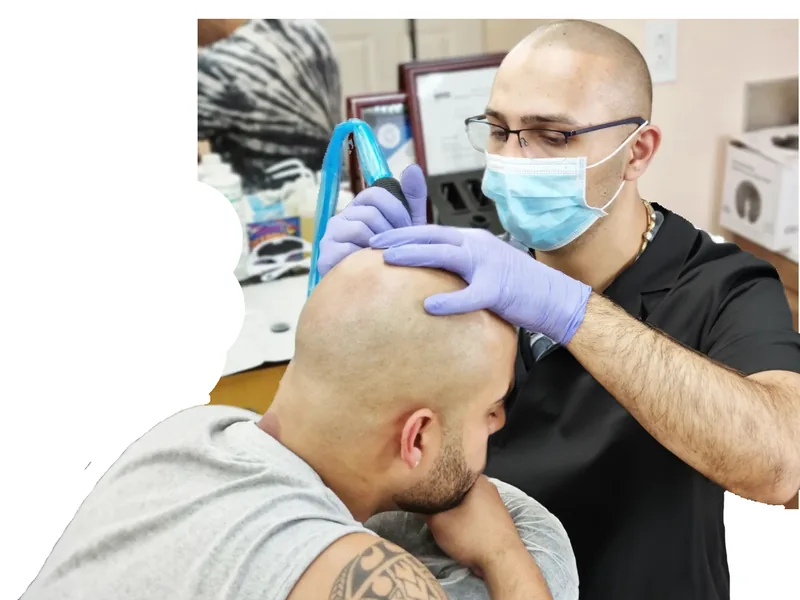
Recovery reality check
What SMP recovery actually feels like
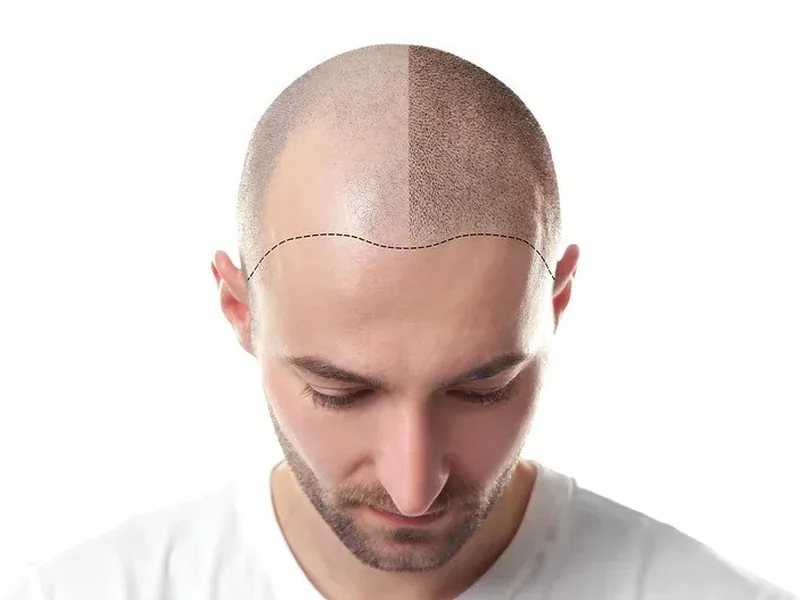
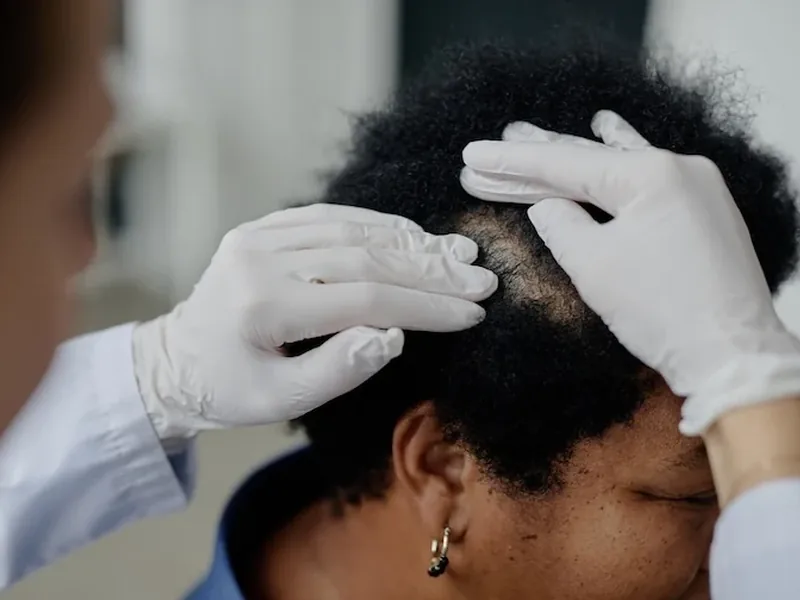
Most clients describe SMP as manageable, but recovery still matters. Redness, tightness, and early darkness are normal. The result should be judged after the skin calms down and the pigment settles.
The practical call
Plan the appointment around workouts, sun exposure, shaving, and important events. A smooth recovery is part of a natural result.
Good fit for
- First-time SMP clients
- People worried about pain or downtime
- Clients planning sessions around work or events
Ask about
- A day-by-day aftercare plan
- When to resume shaving and workouts
- What is normal versus worth calling about
Be careful with
- Heavy sweating right after sessions
- Judging the color too early
- Skipping aftercare because the skin feels fine
Related SMP Guides
SMP Process & Procedure
Complete step-by-step guide to the SMP procedure
SMP Aftercare Guide
Maximize healing and minimize discomfort with proper aftercare
SMP for Different Ages
Age-specific pain tolerance and recovery considerations
SMP vs Hair Transplant
Compare pain levels between SMP and surgical hair restoration
SMP Cost Guide 2026
Complete pricing breakdown including pain management options
SMP Services Queens
Expert scalp micropigmentation services at Therapeutic Cuts