SMP Color Matching Guide: Perfect Pigment Selection for Queens, NYC (2026)
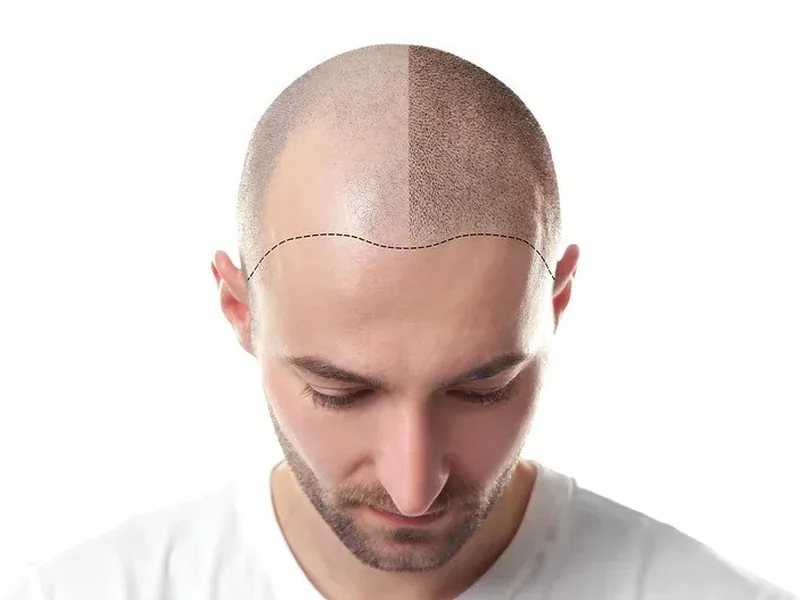
Why do some SMP results look natural while others look too dark or bluish? Usually it comes down to conservative color matching, lighting, healed-result planning, and not chasing a darker result on day one. This guide explains how SMP pigment selection should account for skin tone, hair color, aging, fading, and real-world lighting in Queens, NYC.
Quick guide
Quick guide: SMP color matching
Natural SMP color matching should look right after healing, not just dark on appointment day. Conservative pigment usually ages better.
- Best fit: clients worried about SMP looking too dark, blue, or obvious in normal light.
- Ask for: color checks in natural light, healed examples, and how your hair color may change with age.
- Watch out for: choosing the darkest possible pigment just because it looks stronger immediately.
The #1 SMP Color Matching Mistake (and How to Avoid It)
Mistake: Going Too Dark
The most common color-matching problem is choosing pigment that is too dark for the client's natural coloring. Why does this happen so often?
- Client pressure: Many clients request "darker, more visible" pigment, not trusting that lighter shades look more natural
- Inexperienced practitioners: New techs go darker for "safe" coverage, not understanding subtlety is key
- Poor lighting assessment: Color matching in artificial light vs natural sunlight yields different results
- Not accounting for healing: Pigment appears 20-30% darker immediately after application, lightens as heals
Solution: "One Shade Lighter" Rule
Expert practitioners follow the "one shade lighter" rule: Choose pigment 1 shade lighter than client's darkest natural hair.
- Why it works: SMP dots are dense (thousands of dots per square inch), creating optical "darkening" effect when viewed from distance
- Healing factor: Pigment lightens 15-25% during weeks 2-6 healing, landing at perfect shade
- Natural variation: Real hair follicles have color variation; slightly lighter pigment mimics this better than uniform dark shade
- Aging consideration: Hair naturally grays over time; lighter SMP ages more gracefully
Result: a softer pigment plan usually ages better, heals more naturally, and avoids the painted-on look clients worry about.
Fitzpatrick Scale: The Foundation of SMP Color Matching
Professional SMP color matching starts with Fitzpatrick scale assessment—a dermatological classification of skin tone from Type I (pale white) to Type VI (dark brown/black). Your Fitzpatrick type determines base pigment selection, fading patterns, and touch-up frequency.
Complete Fitzpatrick Scale Breakdown for SMP:
Type IPale White Skin
Characteristics:
Always burns, never tans. Very light skin, often with freckles. Red or blonde hair common.
Pigment Selection:
Light ash brown or soft gray-brown. AVOID black or dark brown (too harsh).
Fading Pattern:
Fades to warm gray (slight reddish undertone). Touch-ups every 4-5 years. Fastest fading skin type.
Type IIWhite to Light Beige Skin
Characteristics:
Usually burns, tans minimally. Light skin with some sun tolerance. Blonde to light brown hair.
Pigment Selection:
Medium ash brown or taupe. Can go slightly darker than Type I, but still avoid pure black.
Fading Pattern:
Fades to neutral gray. Touch-ups every 4-6 years. Moderate fading.
Type IIIMedium Beige to Olive Skin
Characteristics:
Sometimes burns, usually tans. Medium skin tone, common among Mediterranean, Hispanic, some Asian populations.
Pigment Selection:
Medium to dark brown with warm undertones. Most versatile skin type for color matching.
Fading Pattern:
Fades to warm brown. Touch-ups every 5-7 years. Excellent pigment retention.
Type IVOlive to Moderate Brown Skin
Characteristics:
Rarely burns, tans easily. Olive to light brown skin. Common among Middle Eastern, Hispanic, some Asian populations.
Pigment Selection:
Dark brown to soft black with warm undertones. Can handle deeper shades without looking harsh.
Fading Pattern:
Fades to deep warm brown. Touch-ups every 5-7 years. Excellent pigment retention.
Type VBrown to Dark Brown Skin
Characteristics:
Very rarely burns, tans very easily. Brown skin. Common among African, Indian, Middle Eastern populations.
Pigment Selection:
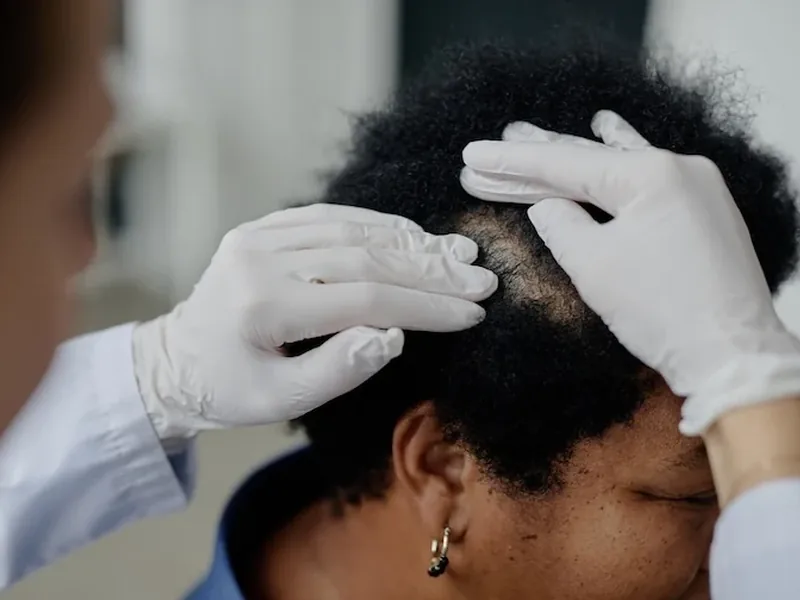
Deep black with warm undertones (not cool-toned black, which can appear bluish). Critical to avoid blue-gray fading.
Fading Pattern:
Risk of blue-gray fading if wrong pigment used. Correct pigment fades to chocolate brown. Touch-ups 5-7 years.
Type VIDark Brown to Black Skin
Characteristics:
Never burns, always tans. Very dark brown to black skin. Common among African, Afro-Caribbean populations.
Pigment Selection:
Pure black with neutral undertones. CRITICAL: Must use carbon-based black pigment to prevent blue fading.
Fading Pattern:
Highest risk of blue-gray fading. Carbon-based pigments fade to charcoal vs blue. Touch-ups 5-7 years. Best pigment retention.
Why Fitzpatrick Assessment Matters
Skin tone doesn't just determine initial pigment color—it predicts fading pattern. Lighter skin types (I-II) fade faster and warmer (reddish-gray). Darker skin types (V-VI) fade slower but risk blue-gray tones if wrong pigment formulation used. Expert SMP practitioners match pigment not just to TODAY'S appearance, but to how it will look in 3-5 years post-fading. This is why Fitzpatrick assessment is mandatory for quality SMP.
Hair Color vs Skin Tone: The Balancing Act
The misconception: "Match SMP to my hair color." The truth: SMP color must balance BOTH hair color AND skin tone. Hair-only matching leads to unnatural results—SMP is tattooed INTO skin, not floating above it like real hair.
Color Matching Decision Matrix:
| Hair Color | Light Skin (Types I-II) | Medium Skin (Types III-IV) | Dark Skin (Types V-VI) |
|---|---|---|---|
| Blonde Hair | Match: Light ash brown Reasoning: Pure blonde SMP too light to create density illusion. Soft brown mimics shadowed hair follicles. | Match: Medium taupe-brown Reasoning: Medium skin + blonde rare. Taupe prevents harsh contrast. | Rare combination (Typically dyed hair, not natural) |
| Light Brown Hair | Match: Medium ash brown Reasoning: One shade darker than hair. Creates realistic follicle depth. | Match: Medium-dark brown with warm undertones Reasoning: Warm undertones complement olive/beige skin. | Match: Dark brown Reasoning: Avoid too-light pigment (disappears into dark skin). |
| Medium Brown Hair | Match: Medium-dark brown with cool undertones Reasoning: Cool undertones balance pink undertones in light skin. | Match: Dark brown with warm undertones Reasoning: Most natural-looking combination. Ideal match. | Match: Dark brown to soft black Reasoning: Deep pigment required for visibility on dark skin. |
| Dark Brown Hair | Match: Dark brown (NOT black) Reasoning: Black pigment too harsh against pale skin. Creates "drawn on" look. | Match: Dark brown to soft black Reasoning: Skin tone handles deeper shades without harshness. | Match: Soft black with warm undertones Reasoning: Warm undertones prevent blue-gray fading. |
| Black Hair | Challenge: Very difficult Pure black too harsh on pale skin. Consider dark brown instead. High risk of unnatural appearance. | Match: Soft black with neutral undertones Reasoning: Olive/beige skin can handle black if properly formulated. | Match: Pure black (carbon-based) Reasoning: Natural match. MUST use carbon-based pigment to prevent blue fading. |
| Gray/White Hair | Match: Light ash gray Reasoning: Match gray hair. Creates "salt & pepper" appearance if some dark hair remains. | Match: Medium gray with warm undertones Reasoning: Warm undertones complement medium skin better than cool gray. | Match: Dark gray to charcoal Reasoning: Light gray disappears on dark skin. Deeper shade needed for visibility. |
Special Case: Graying Hair & Future-Proofing
Challenge: Client has dark brown hair now but expects significant graying in 5-10 years. What color to choose?
Options:
- Option 1 (Conservative): Choose medium-dark brown (lighter than current hair). When hair grays, SMP will still blend reasonably well. Requires touch-up color adjustment in 5-7 years.
- Option 2 (Current Match): Choose dark brown matching current hair. Accept that SMP will appear darker than graying hair in future. Requires touch-up lightening in 5-7 years.
- Option 3 (Staging): Start with darker match now, plan color adjustment touch-up session when significant graying occurs (~50% gray). Most common approach for clients 40-50 years old.
Recommendation: Option 3 (staging) provides best immediate results while acknowledging future adjustment needed. SMP touch-ups already required every 5-7 years for density refresh—color adjustment adds minimal extra cost ($200-400).
7 Most Common SMP Color Matching Mistakes (and How to Fix Them)
1. Going Too Dark
What It Looks Like:
SMP appears "stamped on" or "drawn with marker." Harsh, unnatural contrast between pigment and skin. Looks like Sharpie dots from close distance.
Why It Happens:
- Client insists on "more visible" results
- Practitioner lacks confidence in lighter shades
- Poor natural lighting during color selection
- Not accounting for optical darkening effect (dense dot pattern looks darker than individual dots)
How to Fix:
Option 1: Laser Lightening (Best for severe cases)
- Cost: $800-1,500 (2-3 sessions)
- Timeline: 6-9 months total
- Success: 70-85% lightening achievable
- Downside: Expensive, time-consuming, may require re-SMP after removal
Option 2: Natural Fading + Touch-Up Adjustment (Best for mild-moderate cases)
- Wait 2-3 years for natural fading (15-25% lighter)
- At touch-up, use lighter pigment (don't add more dark)
- Gradual improvement over 4-6 years to ideal shade
- Cost: Standard touch-up pricing ($600-1,000)
2. Blue-Gray Fading on Dark Skin (32% of Dark Skin SMP Issues)
What It Looks Like:
After 2-3 years, black SMP fades to blue-gray or slate gray instead of natural warm brown/charcoal. Particularly noticeable on Fitzpatrick Types V-VI.
Why It Happens:
- Wrong pigment formulation (iron oxide-based black vs carbon-based black)
- Iron oxide breaks down into blue-gray compounds in darker skin
- UV exposure accelerates blue-gray shift
How to Fix:
Option 1: Color Correction Touch-Up
- Apply warm-toned brown pigment OVER blue-gray areas
- Neutralizes blue tones, shifts to natural charcoal-brown
- Cost: $800-1,400 (full head color correction)
- Success: 80-90% improvement in color
Prevention (for future clients):
- ONLY use carbon-based black pigments on Types V-VI skin
- Avoid iron oxide-based pigments entirely for dark skin
- Examples of quality carbon-based pigments: Folicule ink, Li Pigments Carbon series
3. Wrong Undertones (Warm vs Cool)
What It Looks Like:
Cool-toned pigment on warm skin: Ashy, grayish appearance. Looks artificial.
Warm-toned pigment on cool skin: Reddish or orange-tinted appearance.
Why It Happens:
- Practitioner doesn't assess skin undertones (focuses only on surface color)
- Using "one size fits all" pigment for all clients
How to Assess Undertones:
- Vein test: Look at wrist veins in natural light. Blue/purple = cool undertones. Green = warm undertones.
- Jewelry test: Silver jewelry flatters cool undertones. Gold jewelry flatters warm undertones.
- White paper test: Hold white paper next to face. Skin looks pink/rosy = cool. Skin looks yellow/peachy = warm.
How to Fix:
Color correction touch-up with opposite-toned pigment to neutralize. Warm brown over cool gray, or cool taupe over warm reddish. Cost: $600-1,200.
4. Too Light (Invisible SMP)
What It Looks Like:
SMP barely visible. Doesn't create density illusion. Looks like faint shadowing instead of hair follicles. Client disappointed—"I paid $3,000 for results I can't see?"
Why It Happens:
- Over-correction from previous "too dark" experience
- Practitioner too conservative (afraid of going dark)
- Light skin + blonde hair (difficult color matching scenario)
How to Fix:
Easiest fix of all mistakes:
- Add additional session with darker pigment layered over light base
- Gradually build to ideal shade (better than going too dark immediately)
- Cost: $600-1,000 (single density session)
- Timeline: 4-6 weeks after initial session heals
- Success: 95%+ (almost always correctable)
Why too light > too dark: Easy to add more pigment. Nearly impossible to remove excess pigment without laser ($1,500-3,000). Conservative approach (start lighter, build up) is professional best practice.
5. Not Matching Remaining Natural Hair
What It Looks Like:
SMP on bald areas doesn't match color of remaining natural hair on sides/back. Clear demarcation line where SMP meets natural hair. Looks like two-tone scalp.
Why It Happens:
- Practitioner matches to IDEA of client's hair color, not ACTUAL remaining hair
- Not accounting for gray hairs mixed with dark hairs (optical blending effect)
- Poor lighting during color assessment
How to Fix:
Prevention (for new clients):
- Take high-res photos of remaining hair in natural sunlight
- Buzz remaining hair to 1-2mm to see TRUE follicle color (long hair appears lighter due to light refraction)
- Create custom pigment blend matching exact shade of remaining hair follicles
Fix for existing cases:
- Color correction session blending SMP to natural hair transition zone
- Cost: $400-800
- Success: 85-95% improvement
Organic vs Inorganic Pigments: What's the Difference?
Not all SMP pigments are created equal. The organic vs inorganic debate significantly impacts color matching, fading patterns, and long-term satisfaction. Here's what you need to know:
Organic Pigments
Composition:
Carbon-based compounds derived from plant/animal sources. Molecular structure breaks down naturally over time.
Advantages:
- Natural fading: Lightens gradually, evenly. No color shift (stays brown/black, doesn't turn blue/green)
- Easier removal: Responds better to laser removal if client unhappy
- Lower allergy risk: Fewer synthetic chemicals = fewer reactions
- FDA-friendly: Generally considered safer for cosmetic tattooing
Disadvantages:
- Faster fading: Touch-ups needed 4-5 years vs 6-7 years for inorganic
- Limited color range: Harder to create ultra-light shades (blonde/light gray)
- Higher cost: Premium organic pigments cost 30-40% more than inorganic
Popular Organic Pigment Brands:
- • Folicule Ink (organic, carbon-based)
- • Li Pigments Organic Series
- • Scalp Aesthetics Organic Line
Inorganic Pigments
Composition:
Metal oxide-based compounds (iron oxide, titanium dioxide, carbon black). Mineral-based, synthetic structure.
Advantages:
- Longer lasting: Touch-ups needed 6-7 years vs 4-5 for organic
- Wider color range: Can create any shade from lightest blonde to deepest black
- Lower cost: More affordable for clinics, savings sometimes passed to clients
- Predictable performance: Decades of tattoo industry use, well-understood behavior
Disadvantages:
- Color shifting: Iron oxide blacks can fade to blue-gray (especially on dark skin)
- Harder laser removal: Metal oxides resist laser breakdown
- Higher allergy risk: Some clients react to metal compounds
- Regulatory concerns: Some countries restricting certain metal oxides in cosmetic tattoos
Popular Inorganic Pigment Brands:
- • Scalp Micro USA (iron oxide-based)
- • Folicule Classic (inorganic line)
- • Li Pigments Standard Series
Which Should You Choose: Organic or Inorganic?
Recommendation by skin type:
- Light skin (Types I-III): Either works. Organic preferred for natural fading, inorganic acceptable if budget-conscious.
- Medium-dark skin (Type IV): Organic recommended. Inorganic acceptable with proper formulation (no iron oxide blacks).
- Dark skin (Types V-VI): ORGANIC CARBON-BASED MANDATORY. Inorganic iron oxide blacks WILL fade blue-gray. Non-negotiable.
Cost difference: Organic pigment SMP costs $200-400 more than inorganic ($2,200-3,800 vs $2,000-3,400). Worth the investment for dark skin to avoid blue-gray fading disaster requiring $1,500+ color correction.
Frequently Asked Questions
Q:My SMP looks too dark right after the session. Will it lighten as it heals?
Yes—SMP appears 30-40% darker immediately after treatment, then lightens significantly during healing. Here's the timeline:
- Days 0-3: Very dark (40% darker than final result). Pigment sitting on top of skin + inflammation = maximum darkness.
- Days 4-7: Scabbing phase. Color appears patchy, uneven. DON'T PANIC—this is normal. Scabs contain excess pigment.
- Days 8-14: Post-scab reveal. Color 20-30% lighter than Day 1. Still slightly darker than final result.
- Weeks 3-6: Final settling. Pigment reaches final shade (15-25% lighter than Day 1 appearance).
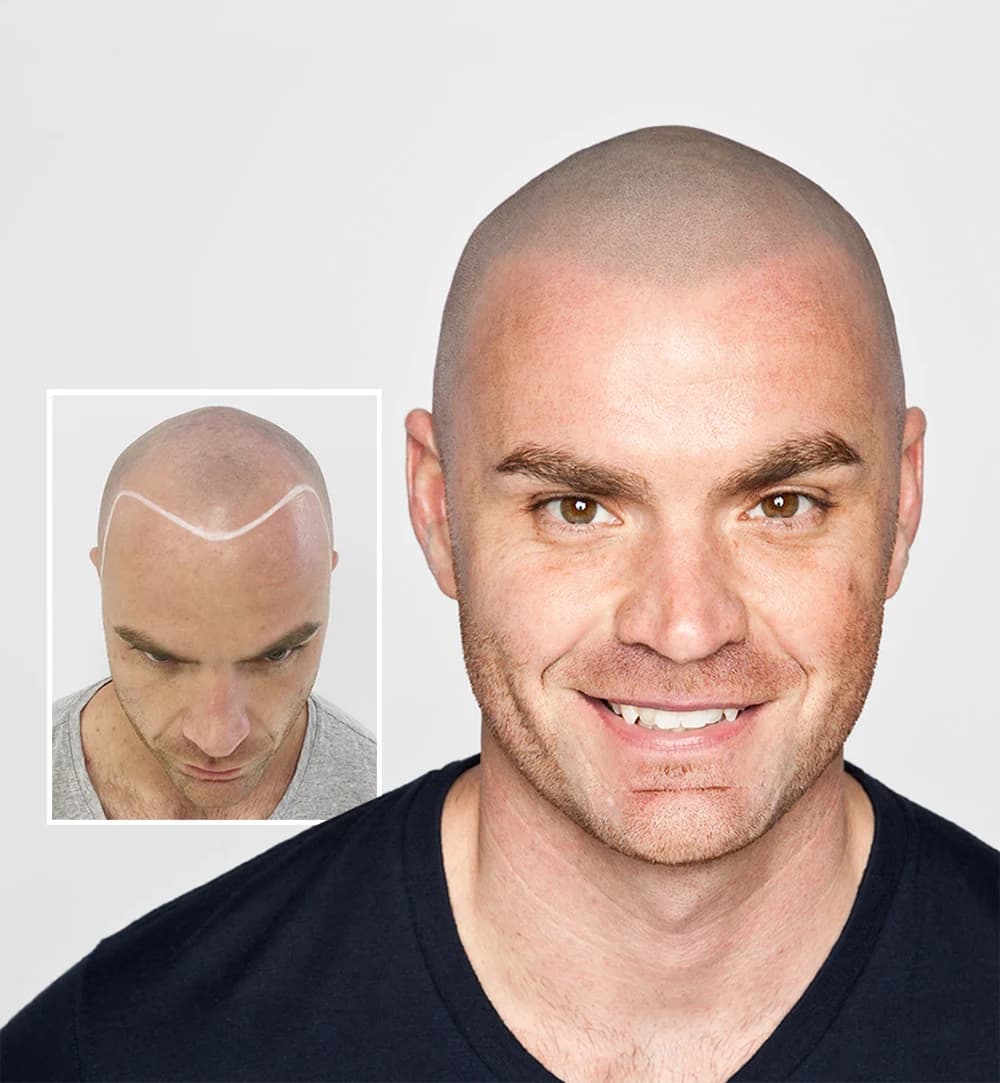
How to tell if it's "healing dark" vs "actually too dark":
Wait until Week 6 (full healing complete) before judging. If still too dark at Week 6, discuss lightening options with practitioner. 85% of "too dark" concerns resolve naturally during healing.
Q:I have dark skin (Type V) and my SMP is turning blue-gray. What went wrong?
Your practitioner used iron oxide-based black pigment instead of carbon-based black pigment. This is the #1 error on dark skin SMP.
Why it turns blue-gray:
- Iron oxide black contains red, yellow, and black iron oxide molecules
- In dark skin, melanin interacts with iron oxides during fading
- Red and yellow compounds break down faster than black compounds
- Result: Blue-gray pigment remains (black minus red/yellow = blue-gray)
How to fix:
- Color correction touch-up: Apply warm-toned brown pigment over blue-gray areas to neutralize. Cost: $800-1,400. Success: 80-90%.
- Prevention for future: Find practitioner who ONLY uses carbon-based organic pigments for dark skin (Folicule Ink, Li Pigments Carbon series).
Q:Should I match my SMP to my current hair color or my natural hair color before graying?
Match to your CURRENT hair color (including gray). Here's why:
SMP creates illusion of shaved head with hair follicles visible. When you look at someone with a buzzed head, you see their CURRENT hair color (gray + dark mixed), not their "natural pre-gray" color. Matching to pre-gray color creates mismatch with visible gray hairs on sides/back.
Gray hair matching strategies:
- 10-25% gray: Match to dark hair, gray reads as "natural variation." Single pigment shade works.
- 25-50% gray: Blend of medium-dark brown + light gray pigments, creating "salt & pepper" effect. Requires skilled practitioner.
- 50-75% gray: Medium gray primary pigment with occasional darker dots for realism. Mimics mostly-gray hair.
- 75%+ gray: Light-medium gray pigment. Embrace the gray—trying to look dark-haired at this stage appears dyed/unnatural.
Important: As you continue graying, plan for color adjustment touch-up every 5-7 years to keep SMP matching evolving hair color.
Q:How do I know if a practitioner is good at color matching before booking?
Red flags (avoid these practitioners):
- ❌ No mention of Fitzpatrick scale assessment in consultation process
- ❌ Uses "one size fits all" pigment approach ("we use XYZ brand for everyone")
- ❌ Before/after portfolio shows mostly same skin tone (lacks diversity = lacks expertise across skin types)
- ❌ Doesn't ask about your natural hair color evolution (childhood → now → expected graying)
- ❌ Color selection happens in artificial light only (no natural sunlight assessment)
- ❌ Rushes color selection (takes <5 minutes)
Green flags (quality practitioners):
- ✅ Mentions Fitzpatrick scale, assesses your type explicitly
- ✅ Asks about undertones (warm vs cool), does vein test or jewelry test
- ✅ Takes high-res photos of your remaining hair in NATURAL SUNLIGHT before color selection
- ✅ Discusses organic vs inorganic pigments, recommends based on your skin type
- ✅ Shows before/after portfolio with diverse skin tones (proves experience across Types I-VI)
- ✅ Spends 15-20 minutes on color selection, creates custom blend if needed
- ✅ Explains healing timeline and expected color change (30-40% lighter by Week 6)
- ✅ Discusses future touch-up color adjustments as you age/gray
During consultation: Ask to see before/after photos of clients with YOUR skin type and hair color. If practitioner can't show multiple examples closely matching your coloring, they lack experience with your specific case.
Q:I have very light blonde hair and pale skin. Will SMP look natural on me?
Blonde hair + pale skin is the MOST CHALLENGING color matching scenario in SMP. Success rate: 70-80% vs 90-95% for dark hair/medium skin. Here's why it's difficult and how to maximize success:
The challenge:
- Blonde hair follicles barely visible when buzzed (very light color + pale skin = low contrast)
- SMP dots must be EXTREMELY light to match blonde (light ash brown, not pure blonde)
- Light pigment = less density illusion (harder to create convincing "hair" appearance)
- Risk: Too dark = looks like Sharpie on paper. Too light = invisible.
How to maximize success:
- Find practitioner with blonde hair SMP portfolio: 5+ examples of successful blonde SMP. This is specialized skill—don't be guinea pig.
- Choose soft ash brown (not blonde): Matching exact blonde hair is impossible. Soft brown mimics shadowed follicles—looks more natural than trying to match blonde.
- Start conservative (lighter pigment): Use "three shade lighter" rule for blonde (vs "one shade lighter" for dark hair). Build up gradually over 2-3 sessions.
- Manage expectations: Blonde SMP is SUBTLE. You'll get 60-75% density illusion vs 85-95% for dark hair. It won't look like thick stubble—more like fine hair shadow.
- Consider going slightly darker: Some blonde clients opt for light-medium brown SMP (darker than natural hair) for better visibility. Requires accepting slight color mismatch for density benefit.
Honest assessment: If you want dramatic "filled-in" appearance, blonde hair + pale skin may not be ideal candidate for SMP. Consider hair transplant or hair systems instead. If you're okay with subtle improvement (30-40% better appearance, not 90%), SMP can work.
Q:Can I see a test dot before committing to full SMP treatment?
Yes—test dots are HIGHLY recommended for complex color matching cases (blonde hair, gray hair, dark skin, previous bad SMP). Reputable practitioners offer this.
How test dots work:
- Practitioner applies 3-5 dots in discreet area (behind ear, or small patch on treatment area)
- Each dot uses different pigment shade (lighter → darker, or different undertones)
- Wait 6 weeks for full healing and color settling
- Assess healed test dots in natural sunlight—choose best-matching shade for full treatment
- Proceed with full SMP using confirmed ideal pigment
Cost: $50-150 for test dots (often credited toward full treatment if you proceed). Some practitioners include test dots free with full treatment booking.
When test dots are mandatory:
- Dark skin (Types V-VI)—must confirm carbon-based pigment doesn't fade blue-gray on YOUR specific skin
- Blonde/light hair + pale skin—must confirm pigment visible but not too dark
- Scar tissue camouflage—scar tissue pigment retention unpredictable, test first
- Previous bad SMP color correction—test new pigment interacts correctly with old pigment
Red flag: If practitioner REFUSES test dots for complex case ("we don't do that, just trust us"), find different practitioner. Test dots are industry best practice for challenging color matching.
Get Expert SMP Color Matching in Queens, NYC
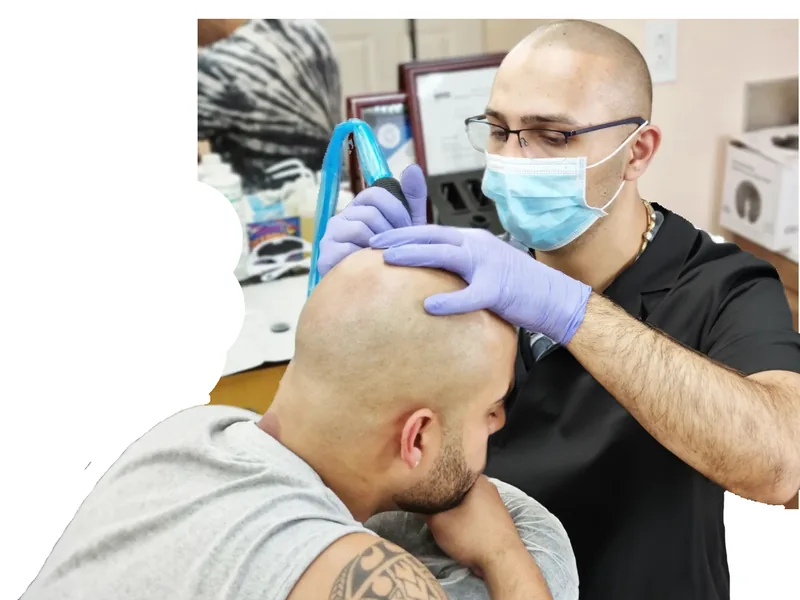
At Therapeutic Cuts, we specialize in precision color matching across all skin types (Fitzpatrick I-VI). Our SMP practitioners use organic carbon-based pigments for dark skin, custom blending for complex cases, and natural sunlight assessment for every client. Over 1,200 successful SMP color matches since 2018.
Free Color Match Consultation
$0 Fitzpatrick assessment + pigment selection. We'll create custom color plan before you commit. No pressure, honest recommendations.
Test Dots Available
$75 test dot session (credited toward full treatment). Try 3-5 pigment shades, pick perfect match after 6-week healing. Risk-free color selection.
📍 Location: 63-53 Alderton St, Rego Park, NY 11374 (near 7 train, M/R lines)
⏰ Walk-ins welcome | Online booking available | Evening/weekend appointments
Related SMP Guides
SMP Process & Procedure Complete Guide
Step-by-step breakdown of SMP procedure including color selection session timeline.
SMP for Scars & Alopecia Treatment
Color matching for scar tissue requires different approach—learn specialized techniques.
SMP Longevity & Touch-Ups Guide
How color fading patterns affect touch-up timing and color adjustment needs.
SMP for Different Age Groups
Age-appropriate color selection accounting for current and future graying.
SMP for Women Complete Guide
Female-specific color matching considerations for density enhancement SMP.
SMP vs Hair Transplant Comparison
Compare color matching complexities: SMP pigment selection vs hair transplant donor hair color.