SMP Consultation Guide: What to Expect & Questions to Ask in Queens, NYC (2026)
Choosing the wrong SMP practitioner is a $2,000-5,000 mistake that's difficult to correct. Yet 78% of clients miss critical red flags during consultations because they don't know what to look for. This complete guide covers everything you need to know about SMP consultations in Queens, NYC—what happens during the appointment, 25 essential questions to ask, red flags vs green flags, portfolio evaluation checklist, pricing transparency, virtual vs in-person options, and how to compare multiple practitioners before booking.
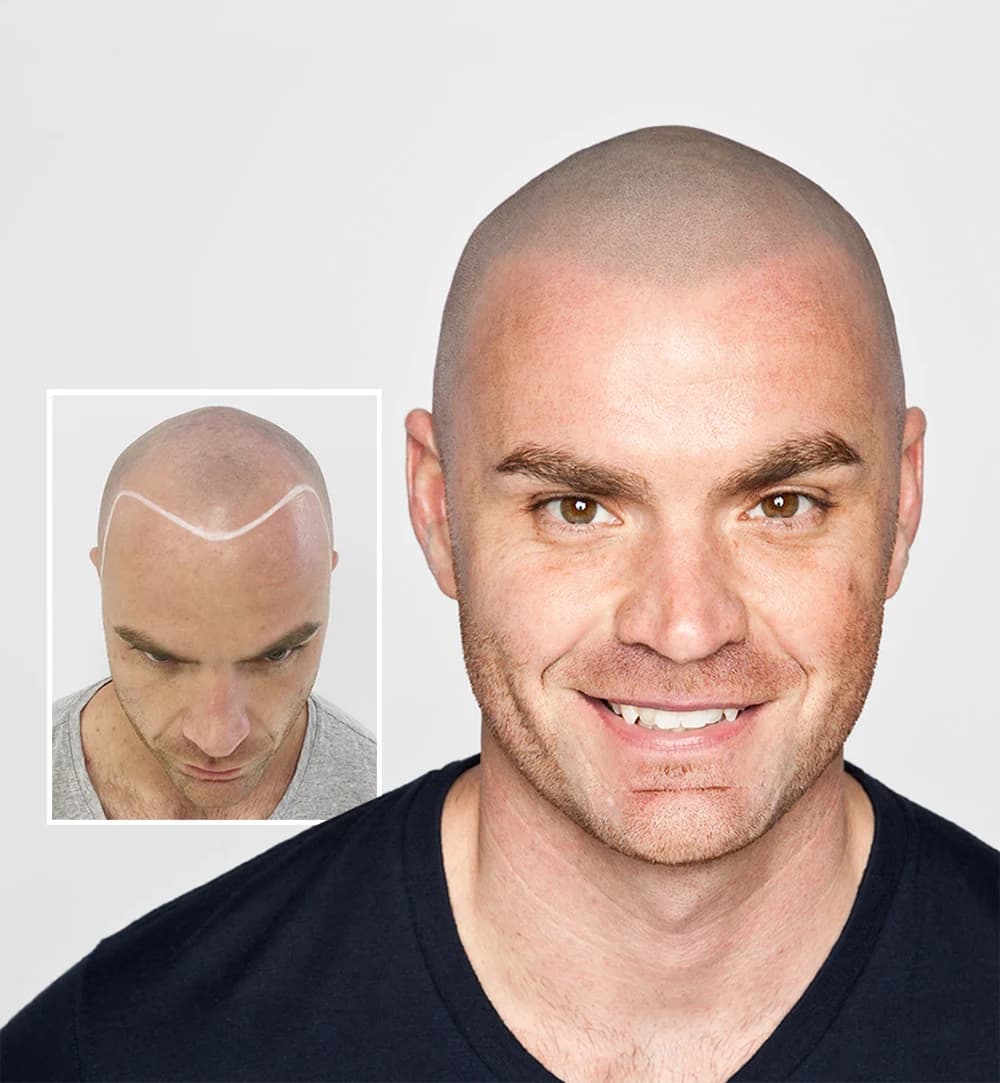
SMP Consultation Red Flags vs Green Flags
RED FLAGS (Walk Away):
- ❌Rushes consultation (<15 minutes, pressures to book immediately)
- ❌No portfolio or limited examples (<20 cases, no diversity in skin tones)
- ❌Guarantees 100% perfection ("your scar will be invisible," "looks exactly like real hair")
- ❌Can't explain technique/equipment (vague answers about machines, pigments)
- ❌No pricing transparency (won't quote cost until you commit)
- ❌Defensive about questions (annoyed when you ask about experience, credentials)
- ❌Unclear refund/touch-up policy (no written policy, vague promises)
GREEN FLAGS (Good Signs):
- ✓Thorough consultation (30-45 minutes, detailed assessment, no rush)
- ✓Extensive portfolio (50+ cases, diverse skin tones, multiple hair loss patterns)
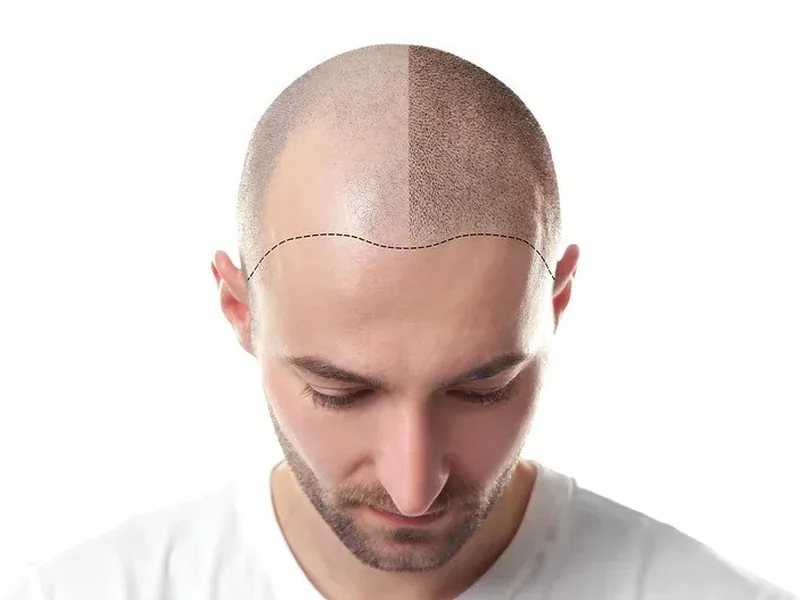
- ✓Sets realistic expectations ("85-90% density," "2-3 sessions needed," "touch-ups every 5 years")
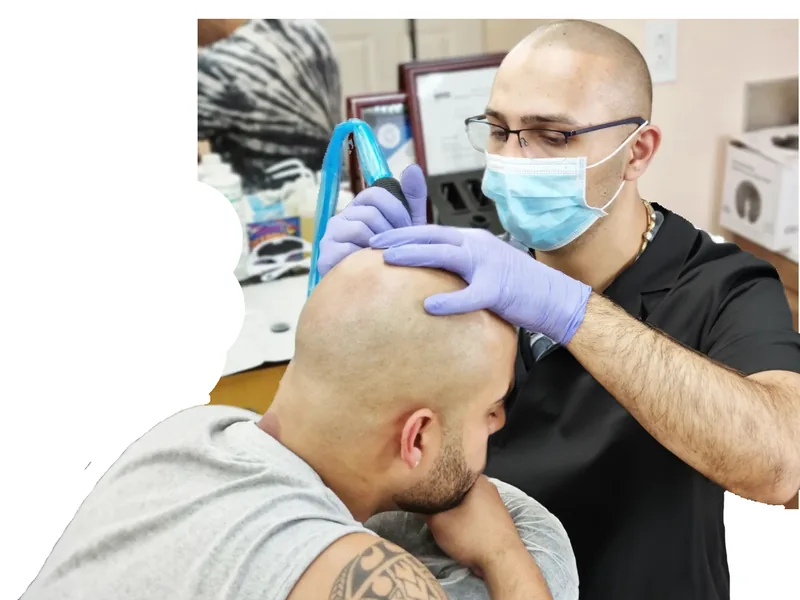
- ✓Explains technique clearly (shows equipment, discusses pigment brands, describes process)
- ✓Upfront pricing (written quote, itemized costs, no hidden fees)
- ✓Welcomes questions (patient, thorough answers, encourages you to ask)
- ✓Clear policies in writing (touch-up guarantees, refund terms, session scheduling)
What Happens During an SMP Consultation: Step-by-Step
Quality SMP consultations take 30-45 minutes minimum. If practitioner rushes you through in <15 minutes, that's a major red flag. Here's what should happen:
Step 1Initial Assessment (5-10 minutes)
What practitioner should do:
- Ask about your hair loss history (when started, family history, current treatments)
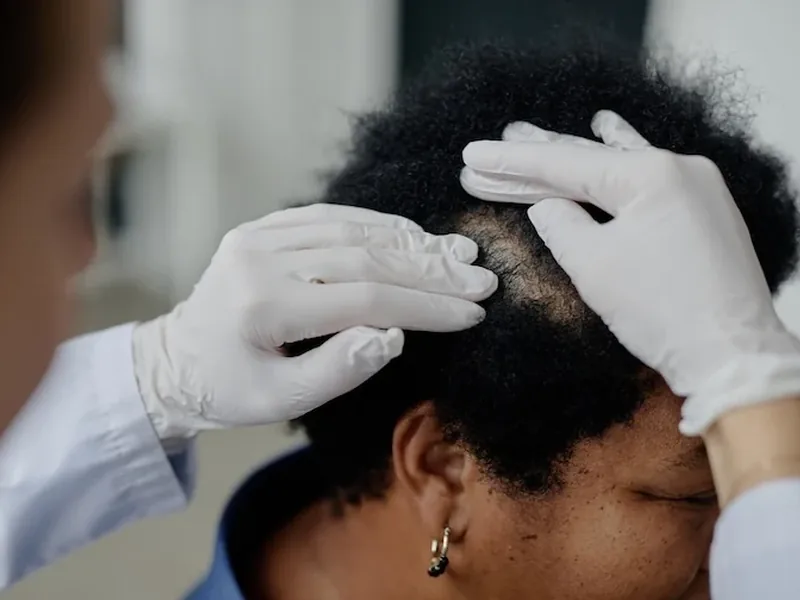
- Examine your scalp closely (hairline recession, crown thinning, overall pattern)
- Assess your skin tone (Fitzpatrick scale I-VI) and hair color
- Identify any scars, skin conditions, or complications (keloid history, psoriasis, etc.)
- Ask about your goals and expectations ("What would success look like to you?")
🚩 Red Flag:
If practitioner doesn't examine your scalp closely or skips asking about medical history, they're not doing due diligence. Proper assessment requires hands-on examination.
Step 2Portfolio Review (10-15 minutes)
What practitioner should do:
- Show 10-20 before/after examples matching your specific case (same hair loss pattern, skin tone, hair color)
- Explain technique used for each case ("This client needed 3 sessions for crown coverage...")
- Show close-up photos (not just distant shots—you should see individual SMP dots)
- Include examples of less-than-perfect results ("Here's a case where we only achieved 75% coverage due to scar tissue")
- Provide video walkarounds if available (harder to fake than still photos)
✅ Green Flag:
Practitioner has 50+ portfolio examples with diverse skin tones, age ranges, and hair loss patterns. Shows both excellent results AND realistic "good not perfect" examples. This demonstrates honesty and experience.
Step 3Treatment Plan Design (10-15 minutes)
What practitioner should do:
- Hairline design: Discuss placement (7-9cm from eyebrows), shape (slight M-shape vs straight), density level
- Color matching: Explain Fitzpatrick assessment, show pigment samples, discuss organic vs inorganic pigments
- Session breakdown: Explain why 2-3 sessions needed (not 1), spacing between sessions (4-6 weeks)
- Realistic outcome: "Based on your hair loss pattern and skin type, expect 85-90% density improvement"
- Limitations: "Crown work is challenging—may only achieve 75-80% in that area. Still significant improvement but not perfect."
✅ Green Flag:
Practitioner discusses what SMP CANNOT do, not just what it can. Mentions limitations specific to YOUR case. Sets realistic percentage expectations (e.g., 85-90% vs vague "great results").
Step 4Pricing & Policy Discussion (5-10 minutes)
What practitioner should do:
- Itemized quote: Session 1 cost, Session 2 cost, Session 3 (if needed), total investment
- Touch-up policy: Free touch-ups within X months? Cost of touch-ups after Y years? Written guarantee?
- Payment options: Payment plans available? Deposit required? Refund policy if unsatisfied?
- Scheduling: Availability for Session 1, typical wait time, rescheduling policy
- Written documentation: Provide written quote and policy document to take home
🚩 Red Flag:
If practitioner won't provide written quote or says "we'll figure out pricing after first session," run away. Reputable practitioners give upfront, transparent pricing.
Step 5Questions & Next Steps (5-10 minutes)
What should happen:
- Practitioner asks: "What questions do you have?" (Should actively encourage questions, not rush you out)
- You ask YOUR prepared questions (see section below for 25 essential questions)
- Practitioner explains next steps: "If you'd like to proceed, we'll schedule Session 1. No pressure—take time to think about it."
- Provides contact info for follow-up questions after consultation
- No pressure tactics: "We have a special price if you book today" = RED FLAG
✅ Green Flag:
Practitioner encourages you to consult with other providers before deciding. Says things like "This is a big decision—take your time, compare options." Confidence in their work means no pressure needed.
25 Essential Questions to Ask During SMP Consultation
Don't leave consultation without asking these critical questions. Print this list and bring it with you. Quality practitioners welcome these questions—defensive responses are red flags.
Experience & Qualifications (Questions 1-6)
1. How long have you been performing SMP? How many procedures have you completed?
Look for: 3+ years experience, 500+ procedures minimum. New practitioners (<1 year, <100 procedures) should offer discounted rates to reflect limited experience.
2. What training/certifications do you have?
Look for: Formal SMP training (not just regular tattoo license), continuing education courses, certifications from recognized SMP academies.
3. How many cases have you done specifically for [my hair loss pattern]?
Look for: 50+ cases matching YOUR situation. If they've only done 5 hairline restorations and you need crown work, they're learning on you.
4. What percentage of your work is SMP vs other services?
Look for: 80%+ SMP specialization. If SMP is side service at general tattoo shop, they lack deep expertise.
5. Can you show me 10 examples of clients with my skin tone and hair loss pattern?
Look for: Easy yes, shows 10+ matching examples within 5 minutes. If they struggle to find matches, they lack experience with your specific case.
6. What's your complication rate? Any infections, allergic reactions, or poor outcomes?
Look for: Honest answer (e.g., "2-3% experience minor redness beyond 48 hours, 1 infection in 1,000+ procedures"). If they claim zero complications ever, they're lying.
Technique & Equipment (Questions 7-12)
7. What type of SMP machine/device do you use?
Look for: Specific brand names (e.g., "We use the Hairline Ink rotary machine" or "Dermicron pen"). Vague "professional equipment" answer = suspicious.
8. What pigment brands do you use? Organic or inorganic?
Look for: Specific brands (Folicule Ink, Li Pigments, Scalp Aesthetics), explanation of organic vs inorganic, recommendation based on YOUR skin type.
9. How deep do you deposit pigment? How do you control depth consistency?
Look for: "0.8-1.2mm depth in upper dermis" with explanation of depth control technique. If they can't answer, they don't understand SMP fundamentals.
10. What needle configuration do you use?
Look for: Specific configuration (e.g., "single needle for hairline detail work, 3-needle for density areas"). Shows technical knowledge.
11. How do you sterilize equipment? Can I see your sterilization process?
Look for: Autoclave sterilization, disposable needles (never reused), willingness to show sterilization area. If they're secretive, huge red flag.
12. Do you offer test dots before committing to full treatment?
Look for: Yes for complex cases (dark skin, blonde hair, scar work). Test dots help avoid color matching disasters.
Treatment Plan & Expectations (Questions 13-18)
13. How many sessions will I need? Why?
Look for: Specific number with reasoning (e.g., "3 sessions—hairline needs 2 for definition, crown needs 3 for adequate density"). Not vague "we'll see as we go."
14. What percentage density improvement can I realistically expect for my case?
Look for: Specific percentage (e.g., "85-90% for hairline, 75-80% for crown"). If they promise 100%, they're overselling.
15. What are the limitations of SMP for my specific situation?
Look for: Honest discussion of challenges (e.g., "Crown work is tricky, may need extra session" or "Your blonde hair makes it harder to achieve high contrast"). Ethical practitioners discuss limitations upfront.
16. When will I see final results?
Look for: "6-8 weeks after your last session" (not "immediately after Session 1"). Shows they understand healing timeline.
17. How often will I need touch-ups? What do touch-ups cost?
Look for: "Every 4-7 years, $600-1,000 per session depending on area." If they say "lasts forever," they're lying.
18. What if I'm not happy with the results?
Look for: Clear policy (e.g., "Free correction session if results don't meet agreed-upon plan within 90 days"). Get this IN WRITING.
Pricing & Policies (Questions 19-25)
19. What's the total cost for my treatment plan (all sessions)?
Look for: Specific total (e.g., "$2,800 for 3 sessions: $1,200 + $1,000 + $600"). Not "we charge per session as we go."
20. Are there any additional costs I should expect?
Look for: "No hidden fees. Price includes all sessions, numbing cream, aftercare products." Watch for surprise charges.
21. Do you offer payment plans?
Look for: Flexible payment options (monthly installments, pay-per-session). Quality practitioners make SMP accessible.
22. What's your cancellation/rescheduling policy?
Look for: Reasonable policy (e.g., "Cancel 48 hours advance for full refund, otherwise forfeit deposit"). Avoid "no refunds ever" policies.
23. Do you provide written contracts/agreements?
Look for: YES. Contract should include: Services provided, total cost, touch-up policy, refund terms, complication handling. Never proceed without written agreement.
24. What's included in your touch-up guarantee?
Look for: "Free touch-up within 6-12 months if needed for initial healing issues. After that, $600-1,000 per maintenance session every 4-7 years."
25. Can you provide references from past clients I can contact?
Look for: 2-3 references willing to discuss their experience. If practitioner refuses ("privacy concerns"), that's suspicious—most happy clients glad to help.
Virtual vs In-Person SMP Consultations: Pros & Cons
Many practitioners now offer virtual consultations (Zoom, FaceTime). Are they adequate, or should you insist on in-person? Here's the honest breakdown:
Virtual Consultations
Pros:
- Convenience: No travel, flexible scheduling, consult multiple practitioners same day
- Wide access: Consult with top practitioners anywhere (not limited to local options)
- Pressure-free: Easier to end call if bad vibes (vs awkward in-person exit)
- Record consultation: Can record video for later review
Cons:
- No physical examination: Can't assess scalp texture, skin undertones, scar tissue (relies on photos)
- Limited color matching: Screen colors inaccurate (blue light distorts skin tones)
- Can't see facility: No way to verify cleanliness, equipment, sterilization practices
- Less personal connection: Harder to gauge practitioner's personality, professionalism
Best For:
Initial screening of multiple practitioners (narrow down to 2-3), long-distance clients who travel for treatment, follow-up consultations for existing clients.
In-Person Consultations
Pros:
- Physical examination: Practitioner feels scalp texture, sees skin tone in natural light, identifies issues
- Accurate color matching: View pigment samples against actual skin (no screen distortion)
- Facility inspection: See cleanliness, equipment, meet staff, assess professionalism
- Portfolio review in person: View before/afters on large screen or printed, better detail
- Personal connection: Better sense of practitioner's personality, trustworthiness
Cons:
- Travel required: Time/cost investment (especially if far from clinic)
- Limited options: Restricted to local practitioners (may miss better options elsewhere)
- Scheduling challenges: May wait weeks for available appointment
- Sales pressure: Harder to say no in person (some clients feel obligated)
Best For:
Final decision-making consultation (before booking), complex cases (scars, alopecia, blonde hair), clients who value seeing facility firsthand, first-time SMP clients.
Recommended Approach: Hybrid Strategy
- Virtual consultations (3-5 practitioners): Screen multiple options quickly, narrow down to top 2-3 candidates.
- In-person consultations (top 2-3): Visit finalists in person for thorough assessment, facility tour, final comparison.
- Book with best match: Make decision based on in-person experience (seeing facility, meeting team, physical assessment).
This hybrid approach maximizes efficiency (virtual screening saves time) while ensuring thorough evaluation (in-person visit confirms quality).
How to Compare Multiple SMP Practitioners: Decision Matrix
Consult with 2-4 practitioners before deciding. Use this scoring matrix to objectively compare (score each category 1-10, total max 100 points):
| Category (Weight) | What to Evaluate | Score (1-10) |
|---|---|---|
| Experience (20%) | Years in practice, total procedures, cases matching YOUR situation, specialization level (SMP-only vs side service) | ___ × 2 |
| Portfolio Quality (20%) | Quantity (50+ cases), diversity (all skin tones), matches your case, close-ups available, video walkarounds, honest about imperfect results | ___ × 2 |
| Consultation Quality (15%) | Time invested (30+ minutes), thoroughness, answered all questions, set realistic expectations, no pressure tactics | ___ × 1.5 |
| Technical Knowledge (15%) | Explains technique clearly, discusses equipment/pigments specifically, understands color matching science, answers technical questions confidently | ___ × 1.5 |
| Facility Quality (10%) | Cleanliness, professional setup, modern equipment, organized, comfortable environment, proper sterilization visible | ___ × 1 |
| Communication (10%) | Responsive (emails/calls returned promptly), clear explanations, patient with questions, professional demeanor, good rapport | ___ × 1 |
| Pricing Transparency (5%) | Upfront quote, itemized costs, written pricing, clear touch-up policy, payment plans available, no hidden fees | ___ × 0.5 |
| Reviews/Reputation (5%) | Google reviews (4.5+ stars, 50+ reviews), client references provided, reputation in SMP community, BBB rating | ___ × 0.5 |
| TOTAL SCORE | ___ / 100 | |
Scoring Interpretation:
- • 85-100: Excellent candidate. Highly experienced, quality portfolio, professional, transparent. Book with confidence.
- • 70-84: Good candidate. Solid experience and results. Minor weaknesses acceptable if price/location advantageous.
- • 55-69: Mediocre candidate. Concerning gaps in experience, portfolio, or professionalism. Only book if budget-limited and willing to accept higher risk.
- • <55: Poor candidate. Multiple red flags. Do NOT book—likelihood of disappointment high.
Pro tip: Score doesn't need to be 100 to book. 80-85 is excellent. But if your top choice scores 70 and another scores 85, choose the 85 even if slightly more expensive—worth it for quality difference.
Frequently Asked Questions
Q:Do I have to pay for SMP consultations, or are they free?
Most SMP consultations are FREE (90%+ of practitioners). A few high-demand practitioners charge $50-100 consultation fee (credited toward treatment if you book).
When it's acceptable to charge:
- Practitioner is nationally recognized expert (300+ 5-star reviews, 10+ years experience, industry awards)
- Fee is fully credited toward treatment (not pure profit)
- Consultation is exceptionally thorough (60+ minutes, includes test dot, detailed treatment plan)
Red flag: Charging consultation fee with mediocre credentials (e.g., 2 years experience, 30 reviews, $100 non-refundable consultation fee). This is cash grab.
Recommendation: Stick with free consultations for initial screening. If a paid consultation practitioner seems exceptional, okay to pay—but only after screening 2-3 free consultations first for comparison.
Q:How many consultations should I do before choosing a practitioner?
Minimum 2, ideally 3-4 consultations before booking.
Why multiple consultations matter:
- Calibrate expectations: First consultation sets your baseline. Second/third show you what "excellent" vs "mediocre" looks like.
- Spot red flags: Warning signs more obvious when comparing multiple practitioners (e.g., "Practitioner A spent 45 minutes, Practitioner B rushed me through 10 minutes")
- Price comparison: Understand market rates ($1,500-3,800 range in Queens). Identify overpriced and suspiciously cheap options.
- Negotiation leverage: "I'm also consulting with [Competitor]—can you match their pricing?" Sometimes works.
Recommended approach:
- Virtual consultations with 4-5 practitioners (screen quickly)
- In-person consultations with top 2-3 from virtual round
- Book with highest-scoring option from comparison matrix
Exception: If first practitioner scores 90+ on comparison matrix, has 200+ 5-star reviews, 8+ years experience, and perfect portfolio match—you CAN book after one consultation. But most cases benefit from comparison shopping.
Q:What should I bring to my SMP consultation?
Consultation preparation checklist:
- Photo timeline of your hair loss: Childhood photo (full hair), teenage years, 20s, current. Helps practitioner understand progression pattern.
- List of current/past hair loss treatments: Finasteride, minoxidil, hair transplant history, any medications. Some affect SMP candidacy.
- Medical history summary: Autoimmune conditions (alopecia areata, lupus, psoriasis), keloid history, skin sensitivities, medications. Critical for safety assessment.
- Questions list (print 25 questions from this guide): Don't rely on memory—bring printed checklist.
- Notebook for notes: Jot down key points, pricing, practitioner's answers. Hard to remember after consulting multiple practitioners.
- Smartphone for photos: Take photos of portfolio examples (with permission), facility, pricing sheet. Helps comparison later.
- Friend/family member (optional): Second set of ears helpful. They catch details you miss, provide objective opinion.
What NOT to bring:
- ❌ Deposit/payment (never pay day of consultation—always take 24-48 hours to decide)
- ❌ Defensive attitude (practitioner may identify challenges with your case—this is good, not criticism)
- ❌ Unrealistic expectations photo (e.g., print-out of celebrity with thick flowing hair saying "I want this"—SMP creates buzzed look, not long hair)
Q:Is it okay to ask for client references during consultation?
Yes—absolutely ask for 2-3 client references you can contact. Quality practitioners gladly provide them.
What to ask references:
- "How many sessions did you need? Did it match original estimate?"
- "What percentage improvement would you estimate? (e.g., 80%, 90%?)"
- "Any complications? Pain level during/after?"
- "How was practitioner's communication? Responsive to questions/concerns?"
- "If you could do it over, would you choose this practitioner again?"
- "Any surprises—costs, timeline, results—that you weren't expecting?"
Red flags if practitioner refuses:
- "Privacy concerns prevent me from sharing client contacts" = Suspicious. Happy clients usually consent to be references.
- "Just check our Google reviews" = Not adequate. Reviews can be fake. Direct conversation with client more valuable.
- Gets defensive or annoyed by request = Major red flag. Confident practitioners welcome this.
Compromise: If practitioner hesitant, ask "Can you reach out to 2-3 past clients, ask if they'd be willing to chat with me? If yes, they contact me directly." This respects privacy while providing references.
Q:What if the practitioner I like best is significantly more expensive than others?
Premium pricing often justified—but verify you're getting premium value.
When higher price is worth it:
- Significantly more experience: 8+ years vs 2 years, 1,000+ procedures vs 200. Experience = fewer mistakes, better results.
- Superior portfolio: Markedly better before/afters, more cases matching your situation, video proof, long-term follow-ups.
- Premium equipment/pigments: Uses organic carbon-based pigments ($200 more expensive but prevent blue-gray fading on dark skin). Worth it.
- Included extras: Free touch-up within 12 months, aftercare kit included, lifetime consultation access. Adds value.
- Exceptional reviews: 300+ 5-star reviews vs 50 reviews. Social proof matters.
When higher price is NOT justified:
- Similar experience/portfolio to cheaper options (e.g., both 5 years experience, comparable portfolios, $3,800 vs $2,400)
- Fancy facility but no better results (paying for marble floors, not SMP quality)
- Location premium (Manhattan vs Queens—same practitioner, +$1,000 for zip code)
- Aggressive marketing (TV ads, celebrity endorsements) but mediocre portfolio
Decision framework: If premium practitioner scores 90 and budget option scores 75, pay premium. If both score 85, choose budget option. Don't pay 40% more for 5% better results—but DO pay 40% more for 20% better results.
Q:How do I know if a practitioner is being honest about realistic expectations?
Honest practitioners discuss limitations; dishonest practitioners promise perfection.
Signs of HONEST expectation-setting:
- ✓ Uses specific percentages (e.g., "Expect 85-90% density improvement") vs vague "great results"
- ✓ Identifies challenges with YOUR case (e.g., "Your blonde hair makes it harder—may achieve 75-80% vs 90% for dark hair")
- ✓ Shows portfolio examples with realistic outcomes, not just "perfect" cases
- ✓ Explains why certain results unachievable (e.g., "Can't create illusion of 4-inch hair—SMP only works with 1-3mm buzz")
- ✓ Discusses what SMP CANNOT do (not just what it can do)
- ✓ Mentions potential need for 3rd session (doesn't guarantee 2 sessions sufficient)
- ✓ Talks about touch-ups being necessary long-term (not "lasts forever")
Signs of DISHONEST expectation-setting:
- ❌ Promises 100% perfection (e.g., "Your scar will be completely invisible")
- ❌ Says "looks exactly like real hair" (It doesn't—it looks like short buzzed hair)
- ❌ Guarantees immediate results (e.g., "You'll see final result after first session")
- ❌ Dismisses challenges (e.g., "Your keloid history? No problem, we can handle it" without discussing risks)
- ❌ Shows only "miracle transformation" photos, no realistic examples
- ❌ Avoids answering "What are the limitations?" question
- ❌ Claims "lasts forever, no maintenance needed"
Test question: Ask "What percentage of your clients need a 3rd session?" Honest answer: 20-40%. Dishonest: "Almost never, our technique is so good we always finish in 2 sessions." No practitioner has 100% success rate with 2 sessions—that's unrealistic.
Book Your Free SMP Consultation in Queens, NYC
At Therapeutic Cuts, we offer thorough 45-minute consultations (in-person or virtual) with zero pressure to book. We'll assess your case, show 15+ portfolio examples matching your situation, explain realistic outcomes with specific percentages, and provide written treatment plan + pricing. No obligation. No hidden fees. Just honest expert guidance.
What's Included (Free):
- • Scalp examination + Fitzpatrick assessment
- • 15+ portfolio examples matching your case
- • Custom treatment plan with realistic % expectations
- • Written quote (all costs, touch-up policy, guarantee)
- • Color matching consultation (test dots available $75)
- • 24/7 follow-up support (email/text questions anytime)
Why Clients Choose Us:
- • 1,200+ successful SMP procedures (2018-2026)
- • 4.9-star Google rating (280+ reviews)
- • 8+ years SMP specialization (not side service)
- • Organic carbon-based pigments (no blue-gray fading)
- • Free touch-up within 12 months if needed
- • Written satisfaction guarantee policy
📍 Location: 63-53 Alderton St, Rego Park, NY 11374 (near 7 train, M/R lines)
⏰ Virtual consultations available 7 days/week | In-person: Walk-ins welcome | Evening/weekend appointments
Related SMP Guides
SMP Process & Procedure Complete Guide
What happens after consultation: session-by-session breakdown of SMP treatment.
SMP Before and After Expectations
Set realistic expectations from consultation: what results actually look like.
SMP Color Matching Guide
How consultation color assessment works and what to expect from pigment selection.
SMP vs Hair Transplant Comparison
Should you consult for SMP or hair transplant? Compare both options before deciding.
SMP for Scars & Alopecia Treatment
Consultation requirements for scar camouflage and alopecia (medical clearance needed).
SMP Longevity & Touch-Ups Guide
Lifetime maintenance costs to discuss during consultation (touch-ups every 4-7 years).